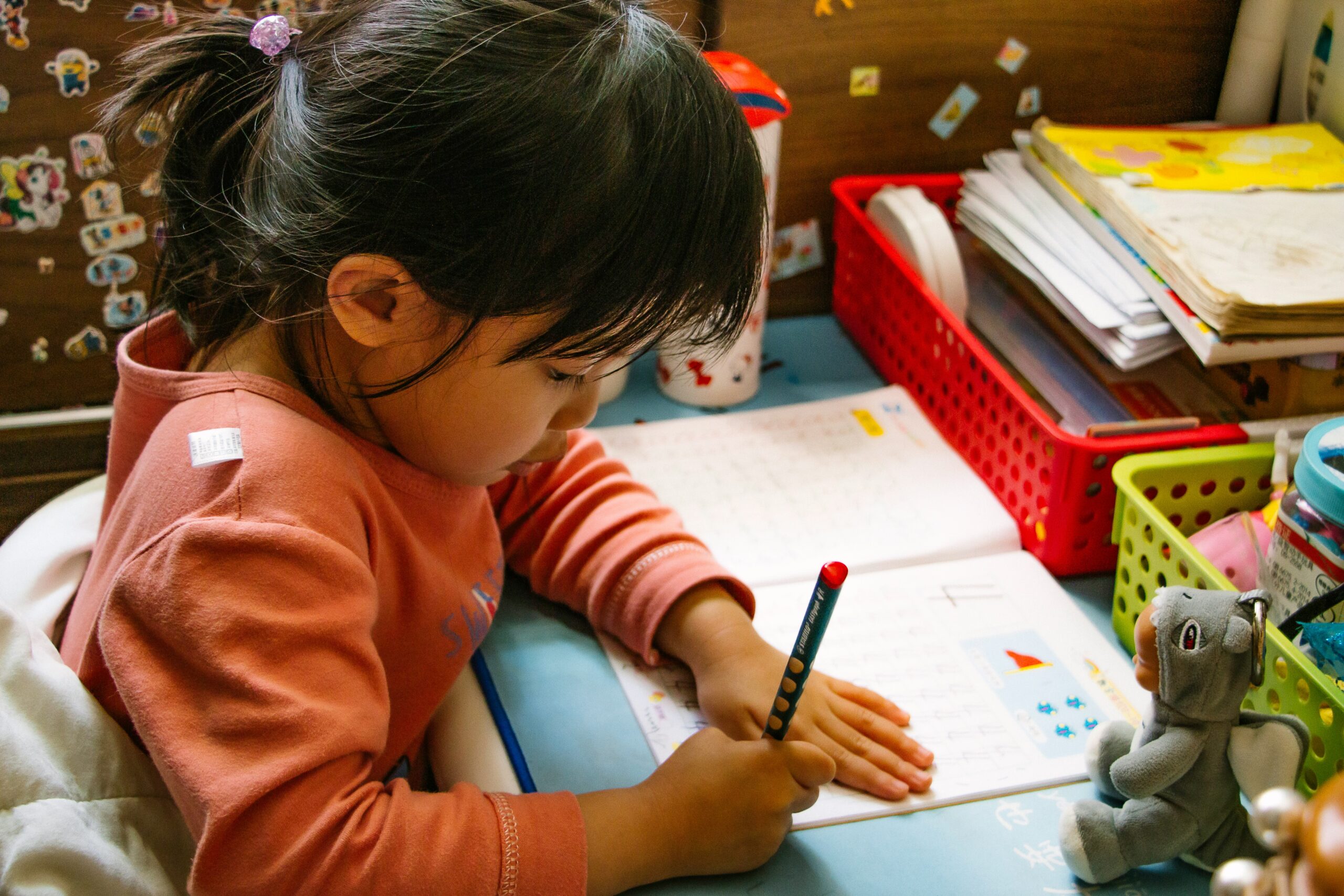
That first day of kindergarten marks a major moment in any young kid’s life. Lots of parents feel eager – yet unsure. Could they be prepared enough? Reading – is it required by then? Knowing numbers might help, yet schools don’t demand full mastery. Letters sometimes come naturally, just like scribbling their own name. Expectations shift from classroom to classroom.
It turns out starting kindergarten readiness checklist isn’t just about knowing letters or numbers. Kids walk into class better prepared when they can express themselves, handle big feelings, do things on their own, and work through challenges. Because classrooms are busy places, those abilities make settling in feel less overwhelming. Studies tracking real kids in actual schools keep finding one thing: being ready depends on growth across several parts of development, not just how much a child already knows.
This step-by-step look walks through every part of getting ready for kindergarten, showing what skills count most. One by one, it unpacks why those abilities help kids thrive once classes start. Instead of just listing tasks, it shares real-life moments where grown-ups can pitch in. Through everyday routines, learning slips into play, chats, even meals. Each idea fits naturally into life with young ones – no pressure, no rush. What counts shows up not in tests but in small steps taken together.
Readers Grasp the Topic
Surprisingly little about starting school ties into knowing letters or counting numbers. What actually matters more? A kid who listens when told something once. Sometimes it shows up as picking up toys without being asked twice. Often enough, sharing crayons becomes the real test instead of reciting ABCs. Teachers watch how kids ask for help using their words. Quiet moments during circle time reveal who stays focused. Finishing a puzzle alone means more than answering flashcards fast.
Understanding school readiness helps parents:
- Start by trusting yourself more than pushing too hard. A quiet belief grows stronger when you stop chasing perfection.
- Focus on age-appropriate development.
- Identify strengths and areas needing practice.
- Create positive learning experiences at home.
- Starting strong helps kids adjust better when they begin primary school.
Life isn’t graded on a checklist, so why should preparation be? Building skills slowly works better than rushing to meet a standard. Learning never stops, after all. A steady base helps more than last-minute fixes. Growth shows up in small steps, not sudden leaps. Ready doesn’t mean perfect – it means able to keep going.
What Kids Need Before Kindergarten
Some kids move fast. Others take their time. Each one grows in their own way.
A comprehensive kindergarten readiness checklist generally includes five major developmental areas:
- Language and communication
- Early literacy and numeracy
- Social and Emotional Development
- Physical and motor skills
- Independence and self-care
Working hand in hand, these areas shape how a young learner adjusts. When kids express themselves clearly to adults at school, handle their feelings well, yet also follow daily activities without resistance, they tend to settle into class life faster – more so than those focused only on recalling ABCs or counting digits.
Ready means a kid can join class activities well, even if some skills still need work.
The Complete Kindergarten Readiness Checklist
1. Language and communication skills
Words build how we learn in school rooms. Yet meaning shapes the way ideas move between people inside those walls.
Children entering kindergarten should generally be able to:
- Speak in complete sentences.
- Clear words show what you want. Speaking straight helps others understand. When thoughts come out right, confusion fades. Getting your point across matters most.
- Answer simple questions.
- Follow two-step instructions.
- Retell simple stories.
- Questions help if things feel unclear.
- Participate in conversations.
- Pay attention when someone else is talking.
Little ones pick up how to chat with grown ups at school, catch what’s being taught, while making pals along the way. Their words become tools for connection, learning slips in through listening, friendships grow during shared moments. Talking helps them fit into classroom rhythms, grasp new ideas step by step, find their place among peers without force.
Start talking every day if you want better language skills. Stories help a lot when shared often. Reading out loud builds understanding slowly. Questions that need more than yes or no push thinking further.
2. Early Literacy Skills
Surprisingly few schools actually require kids to know how to read before starting kindergarten readiness checklist
Early reading ability builds on basic abilities like these
- Recognizing some uppercase and lowercase letters.
- Identifying their own name.
- Holding books correctly.
- Understanding that print carries meaning.
- Recognizing rhyming words.
- Listening to stories from beginning to end.
- Showing interest in books. Reading aloud to young children every day supports early language development and helps build a lifelong love of books.
- Beginning letter-sound awareness.
Each day, sharing books stacks up as a top sign of how well kids might read later. A habit like this? It shapes their path more than most things do.
3. Early Math Skills
Counting things happens without thinking, just by living daily life.
Children preparing for kindergarten often demonstrate the ability to:
- Count objects accurately.
- Recognize numbers.
- Compare quantities.
- Identify shapes.
- Blue ones first, then red. Large fits before small. Order shifts depending on shade or measurement.
- Grasping ideas such as greater amounts shows early math sense. Smaller quantities come into focus next. Bigger items stand out through comparison. Differences in size begin to make sense over time.
- Complete simple patterns.
Baking a meal helps sharpen thinking just like picking groceries at the store. Solving puzzles works in much the same way as stacking blocks piece by piece. Each task quietly strengthens understanding through doing. Little moments add up without drawing attention to themselves.
4. Social and Emotional Growth
Many kindergarten teachers identify social-emotional skills as the strongest predictors of classroom success.
Important abilities include:
- Sharing with others.
- Taking turns.
- Following classroom rules.
- Managing frustration.
- Waiting patiently.
- Respecting personal space.
- Showing empathy.
- Working together when the team does something as one.
- Separating from caregivers without significant distress.
Friendships grow when kids learn how to connect during shared activities. Working alongside others becomes smoother once they understand teamwork basics.
5. Fine Motor Skills
Pencil grip grows stronger through small hand movements during daily tasks. Working on crafts helps fingers learn precise actions over time. Tiny motions build up control needed for school activities bit by bit.
A child may be ready for kindergarten if they can:
- Hold crayons comfortably.
- Draw basic shapes.
- Using scissors made for kids, slice the sheet. Paper moves easily when guided by small hands. Sharp edges stay hidden during each cut.
- Stack blocks.
- Turn book pages.
- Complete simple puzzles.
- Use glue appropriately.
- Start by putting down their given name.
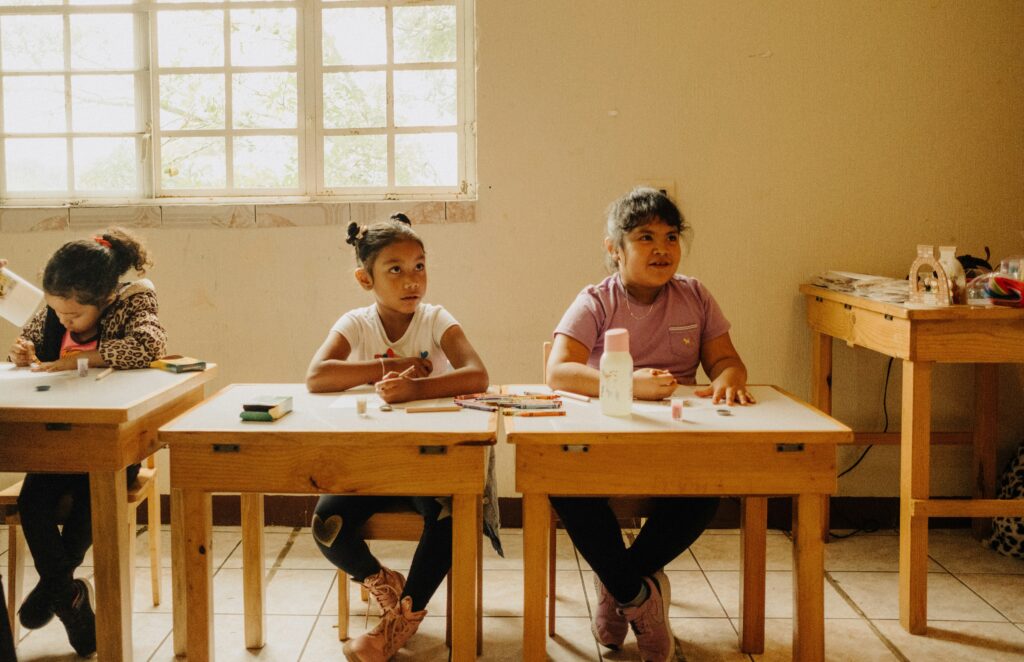
Picking up crayons helps kids grow their hand control. Practicing fine motor activities can strengthen hand muscles and improve the coordination needed for writing and other classroom tasks. Working on little craft jobs adds steady progress too. Shaping clay slowly teaches finger strength along the way. Sliding beads one by one makes coordination sharper over time. Stacking toy blocks piece after piece builds dexterity naturally.
6. Gross Motor Skills
Running around helps kids pay attention later on. Moving their bodies builds energy for classroom tasks. Jumping, stretching, or walking wakes up young minds too. After physical play, thinking gets easier somehow. The body learns just like the brain does each hour.
Children benefit from practicing:
- Running
- Jumping
- Hopping
- Climbing
- Balancing
- Throwing and catching a ball
- Walking confidently on playground equipment
Playing outside still stands among the top ways kids get ready for kindergarten.
7. Self-Care and Independence
Surprisingly little attention gets paid to independence when getting kids ready for preschool.
Children entering kindergarten should increasingly manage daily routines, including:
- Going alone into the restroom. Taking care of business without help nearby.
- Washing hands.
- Opening lunch containers.
- Putting on coats.
- Zipping jackets.
- Carrying backpacks.
- Cleaning up after activities.
- Recognizing personal belongings.
Because they handle everyday jobs better, educators find extra minutes for actual instruction. Teachers gain classroom moments when basics run smoothly on their own.
Getting Your Child Ready at Home
Little by little, skills needed for kindergarten grow from daily routines repeated over time.
Simple daily habits include:
Each night, sharing a book builds new words, sharpens attention, then sparks questions.
Starting on their own with clothes helps kids feel more sure of themselves while learning to do things alone. When they pick what to wear, it teaches them how choices work plus gives a quiet boost each morning before school.
Board games? They help kids wait their turn, stick to rules, count spaces, also work together. For more simple learning ideas, our preschool learning activities guide includes fun ways to build school readiness through everyday play.
Walking through green spaces helps balance and movement grow stronger. Friendships often start during shared moments on benches or trails.
Playing pretend helps build imagination along with better talking skills and a deeper sense of feelings. Through made-up scenes, kids explore ideas while learning how others might think or react in different moments.
Sharing time in the kitchen builds basic number sense, step-by-step thinking, while tackling small challenges along the way.
Most of the time, tiny habits stick better than stiff classroom exercises when looking ahead. A little each day adds up where structured lessons sometimes fall short. What feels minor now can shift outcomes later on. Regular moments beat rigid schedules more than people expect.
Real-World Case Study
At just under five, Emma had her mom and dad thinking – could she handle starting school? That age felt like a question mark hanging in the air between diapers and desks.
Half the letters were familiar to her, school-wise. Counting stopped at fifteen. Other kids nearby? A few already moved through basic stories. That sat heavy on her mother and father.
Still, Emma moved on her own terms. By morning light she pulled clothes over her arms, zipped up her bag without help, walked where told, handed toys across the circle, then sat quiet when voices wove tales.
Her parents built a daily rhythm that wasn’t just worksheets – other things fit in too. Not only did they include breaks, but learning also happened through doing. A mix of quiet time plus hands-on tasks shaped each day. While schoolwork stayed part of it, space opened up for play. This way, structure came without squeezing out breathing room.
They:
- Read books every evening.
- She drew letters while making drawings. Through painting, she formed each letter slowly. Making shapes helped her write it again. Each craft let her try spelling it fresh.
- Played counting games during grocery shopping.
- Encouraged outdoor play.
- Visited the local library weekly.
- At home, tried out how class usually runs. Routines got a test run between four walls where lessons live when school lets go.
Right away at kindergarten, Emma found her rhythm. Months passed before schoolwork matched her pace – she’d brought sharp habits, sureness, herself into the room ahead of time.
What she’s seen lines up with what lots of educators notice – kids who can manage emotions and relationships usually do well, regardless of whether they knew letters or numbers right away.
Insights From The Case Study
Emma’s experience highlights several important lessons.
Right off the bat, getting ready isn’t just about school skills – it covers every part of a kid. Instead, it includes how they grow all around, not only what they learn in class.
From day one, steady habits at home open real chances to grow skills.
Third, independence often contributes more to early classroom success than advanced academic knowledge.
Some kids grow fast, others slow – each follows their own path. Measuring one against another hardly ever shows what they’re truly ready for.
Common Challenges and Practical Solutions
Most moms and dads face nearly the same questions when getting kids ready for kindergarten readiness checklist
It’s hard to stay focused for long. A short time keeps minds drifting away. Not much sticks when thoughts wander too soon.
Break up study time into chunks that last just ten to fifteen minutes. After each chunk, get moving for a bit. A little motion helps reset focus. Try stretching or walking around before starting again. Short bursts work better than hours stuck in one place. Movement fits naturally between these tiny sessions. The brain stays sharper when sitting stretches are cut short.
Worry creeps in when thinking about being apart. Distance tugs harder than expected.
Starting small with time apart from parents can ease kids into feeling sure of themselves ahead of classroom days. A bit here, a bit there adds up when grown-ups step back just enough. Little moments on their own shape how they see what comes next. Slow shifts make the unknown feel closer to normal by September.
Some children struggle with pencil control.
Painting with fingers builds grip strength over time. Clay shaping slowly works tiny hand muscles each session. Snipping paper pieces adds resistance that boosts dexterity. Coloring inside lines demands control which reinforces muscle memory.
Mix-ups in talking things out might stir up worries too.
Out loud stories, shared talks at home – these shape how kids find words. Singing together weaves into their speech too. Words grow through back-and-forth chats, not just listening. Pages read by parents plant names, sounds, ideas deep. Each rhyme hummed after dinner builds a little more.
Too much screen time takes away moments kids could spend playing outside or talking with others. Teachers often notice skills like hand control, confidence, and learning through doing tend to build more fully without screens filling every gap. Some say stepping back from devices opens space for growth that glowing rectangles simply cannot give.
Expert Recommendations
Little kids’ teachers always say getting ready for kindergarten works best when it’s well-rounded.
Start by nurturing curiosity instead of pushing high grades. Resilience grows when challenges are met with support. Communication opens up through daily conversations that matter. Independence comes alive as kids make small choices on their own. What matters most shows up in quiet moments, not test scores.
Some practical recommendations include:
- Read together every day.
- Encourage questions and exploration.
- Practice simple daily routines.
- Limit passive screen time.
- Provide opportunities for imaginative play.
- Let kids tackle challenges suited to their years on their own.
- Notice how far you’ve come, not just what’s left to fix.
Little ones smiling through lessons tend to keep asking questions long after school ends.
Frequently Asked Questions
What age should a child be ready for kindergarten?
Five or six tends to be when kids start kindergarten, yet rules differ depending on location. Ready to learn matters just as much as how old they are. Though some schools set different cutoffs, growth milestones play a big role too.
Does my child need to know how to read before kindergarten?
True. Kids usually start learning how to read once they’re in kindergarten, not earlier. Things like spotting letters, liking books, or being read to matter far more at that stage.
How can I improve my child’s school readiness at home?
Start exploring books each day, then chat about what you see. Head outside to move and discover nature too. Try jigsaw challenges that spark thinking. Draw, build, or invent something wild. Count objects around the house together. Let kids choose their shoes or snacks sometimes. Growth shows up in many ways when routines mix learning with doing.
What are the most important social skills for kindergarten?
One moment you’re listening, the next you’re speaking – balance matters when kids share space. Instead of grabbing, passing things around builds rhythm in groups. When someone gives a direction, pausing to follow it keeps things moving smoothly. Words matter less than how they land; tone shapes trust slowly. Feelings rise fast, yet naming them quietly helps everyone stay calm. Working together doesn’t mean doing the same thing – it means fitting pieces without force.
Should I worry if my child cannot write their full name?
It depends. Some kids keep building their lettering skills through kindergarten. Most educators look for early attempts at writing, not flawless penmanship when little ones start class.
Conclusion
Ready for kindergarten? It isn’t just ABCs or counting that matter. What counts shows up when a child speaks clearly, figures things out alone, works through tough moments, shares space with classmates, then joins circle time without holding back.
Most days start small – how families spend their mornings shapes how children think about growing up. Reading out loud slips into laughter, then questions that keep coming long after books close. Time together might mean building something messy at the kitchen table instead of waiting for instructions. Even quiet moments add weight when they hold space for trying without fear. It helps when choices appear naturally, like picking which path to take during walks. Progress shows not in big wins but in repeated efforts done again tomorrow. Joy lives inside effort more than outcomes ever carry. Showing up matters most even if parts feel awkward or slow.
A kid grows in their own way. Because parents highlight wonder, grit, self-assurance – also everyday abilities along with school basics – the little ones start kindergarten readiness checklist ready not just to study yet savor each step.