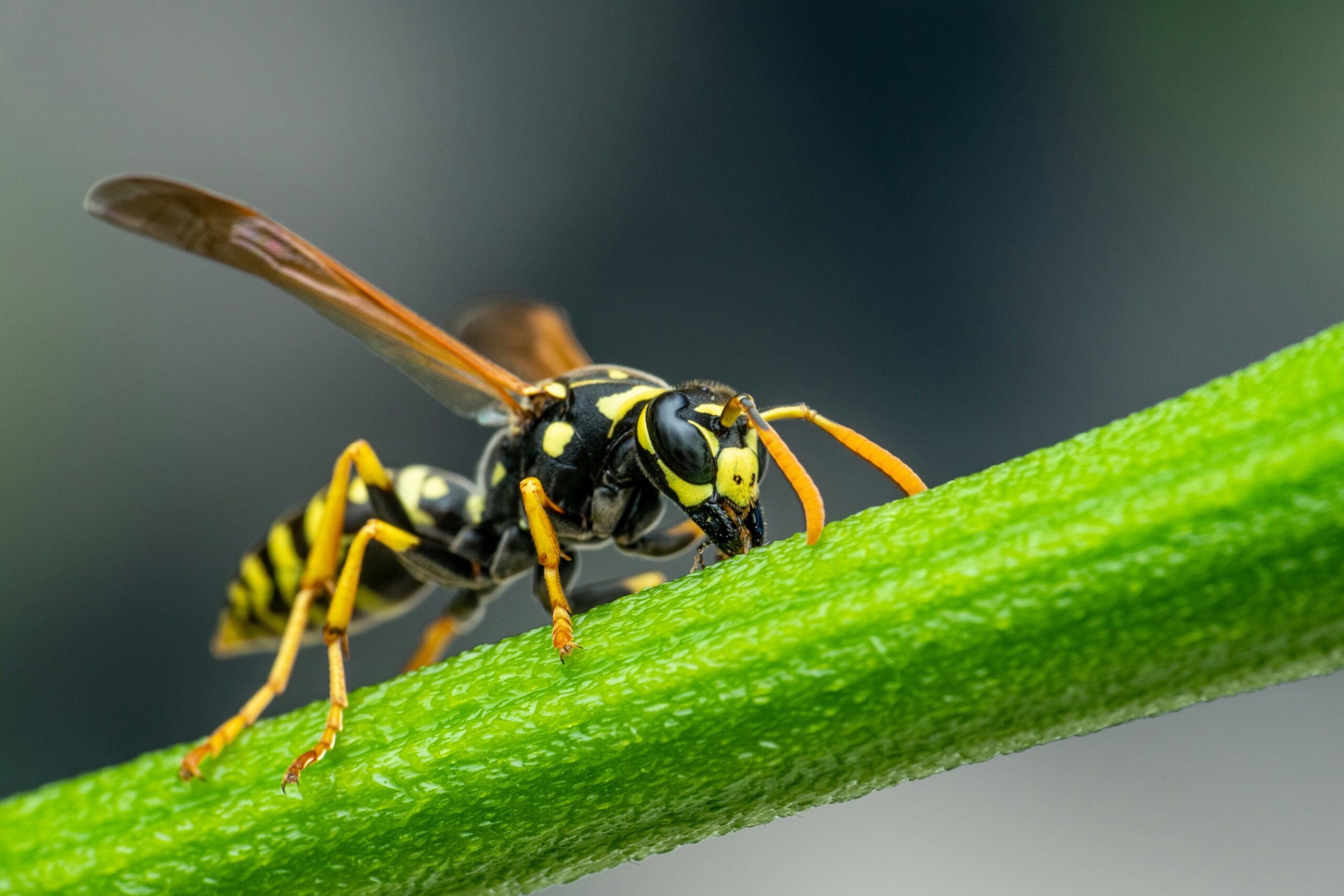
A paper wasp sting can be an unpleasant and painful surprise if the victim gets too close to a nest or a single wasp. Unlike bees, paper wasps can sting more than once, as they do not lose their stinger when they do so. In most cases, the symptoms of a paper wasp sting are short-term and include pain, redness, and swelling. However, in some cases, more severe symptoms occur, requiring emergency medical assistance.
Paper wasps are a common species that can be found in many parts of the world. Their nests, which are shaped like an umbrella, are often located under the eaves of houses, on tree branches, and on fences. They are generally not aggressive toward humans, but they can become so if they feel threatened or if their nests are disturbed.
Learning how a paper wasp sting occurs, how to treat it, and what symptoms require emergency medical treatment can prevent negative consequences and complications.
What Is a Paper Wasp Sting?
- A paper wasp sting is a venomous bite caused by a paper wasp. Paper wasps are a type of wasp in the family Vespidae known for constructing nests from plant fibers and saliva.
- Unlike honeybees, paper wasps can sting more than once, as they do not lose their stinger when they bite.
- The venom from their sting contains toxins that induce pain, inflammation, and other immune responses.
- The danger a paper wasp sting poses is defined by how sensitive an individual is to the venom, along with the number of insects that have stung and the location of the sting.
- A sting from a paper wasp is usually not as dangerous as a sting from a honeybee, although both can be fatal in rare cases.
- A single paper wasp sting is generally not as dangerous as several stings, and a sting on an arm or leg is usually less dangerous than a sting on the face or mouth.
Common Symptoms of a Paper Wasp Sting
The symptoms of a paper wasp sting vary from person to person. Most reactions are local, meaning they affect only the area around the sting.
Common symptoms include:
- Sharp or burning pain immediately after the sting
- Redness around the affected area
- Swelling and tenderness
- Itching or irritation
- Warmth around the sting site
The discomfort often occurs shortly after the sting and may persist for a few days. The swelling often peaks within 24 hours and may extend beyond the sting site, although this is not necessarily a severe reaction.
In addition, a larger localized reaction may occur, causing swelling several inches from the sting site that lasts for several days before subsiding.
Although unpleasant, most local reactions from a paper wasp sting can be managed at home with basic first-aid measures.
Why Do Paper Wasps Sting?
Paper wasps usually sting as a defense mechanism rather than because they are naturally aggressive. Their primary goal is protecting themselves and their colony.
Common situations that may lead to a paper wasp sting include:
- Accidentally touching a nest
- Cutting vegetation near a hidden nest
- Disturbing wasps while gardening
- Swatting at a wasp
- Getting too close to a colony
Paper wasps are especially protective during warmer months when colonies are active and growing. A single wasp away from its nest may simply fly away, but multiple wasps near a nest may respond defensively if they sense a threat.
How to Treat a Paper Wasp Sting at Home
For most people, treatment of a paper wasp sting focuses on reducing pain, swelling, and irritation.
Clean the Area
Begin by cleaning the sting area with soap and water. Cleaning the area helps remove dirt and reduces the chance of skin infection.
Apply a Cold Compress
A cold pack or wrapped ice can help reduce swelling and numb discomfort. Apply it for short periods rather than placing ice directly on the skin.
Manage Itching and Irritation
Over-the-counter options such as antihistamines or anti-itch creams may help relieve itching. Some people also find soothing products helpful for temporary comfort.
Avoid Scratching
Scratching the sting area can increase irritation and may damage the skin, increasing the risk of infection.
Monitor Symptoms
Keep an eye on the reaction during the hours after the sting. Most mild reactions gradually improve, but worsening symptoms may require medical advice.
When Is a Paper Wasp Sting Dangerous?
While in most cases, people do not experience any adverse effects after being stung by wasps, an allergic reaction to wasp venom is possible. In rare cases, anaphylaxis may develop after a wasp sting, making it a life-threatening medical emergency that requires immediate treatment. The symptoms of anaphylaxis include:
- Trouble breathing
- Swelling of the lips, tongue, or throat
- Dizziness, fainting
- Rapid heartbeat
- Widespread hives
- Severe weakness
- Difficulty swallowing
A person who has had a severe allergic reaction to an insect or a sting before is more likely to have another severe allergic reaction. A sting on or around the mouth or throat should always be taken seriously because it can rapidly affect the airway and make severe allergic reactions more dangerous.
Furthermore, multiple stings may need medical attention, especially in children, older people, and people with existing medical conditions.
How Long Does a Paper Wasp Sting Last?
The duration of symptoms after a paper wasp sting depends on the individual’s reaction.
For many people, immediate pain improves within a few hours. Redness, swelling, and itching may continue for several days. Larger local reactions can sometimes last longer before completely resolving.
Factors that influence recovery include:
- The person’s immune response
- The number of stings received
- The location of the sting
- Whether appropriate first aid was provided
If symptoms continue to worsen instead of gradually improving, medical advice should be considered.
Preventing Paper Wasp Stings
The best protection from the paper wasp sting is to avoid encounters with these insects and their nests.
Some helpful preventive measures include:
- Leave nests alone
- check outside work areas
- keep food and beverage covered when eating or drinking outside
- wear shoes outside
- caulk holes or other potential nest sites
- avoid wearing heavily perfumed products when outside
- teach children to avoid touching strange insects and nests
consider professional removal of nests near entrances, play areas, and other heavily used sites.
Paper Wasp Sting vs Bee Sting
Although the insects can cause similar painful sting, there are also some significant differences.
For instance, honeybees cannot sting twice due to their barbed stinger which stays in the skin after the first sting. Contrary to this, paper wasps are able to sting more than once due to a smooth stinger, sticking to the skin of the victim.
In addition, it is possible to identify these insects according to their appearance. Thus, paper wasps have thin legs and bodies, hanging down when the wasp flies while honeybees have a rounder body shape and are covered with more hair.
However, regardless of the characteristics of these insects, it is vital to observe the symptoms of a bee or wasp sting carefully to ensure that nothing serious happens. You can also explore our more health guides for additional first-aid tips and information on treating common injuries and insect bites.
Conclusion
A paper wasp sting is usually a brief affair. It may be uncomfortable and itchy, but it does not cause significant harm. In most cases, washing the affected area, applying a cold pack, and taking antihistamines are sufficient for treating such a sting.
However, it is necessary to understand that allergic reactions to wasp venom are possible, and in some cases, they can be life-threatening. Therefore, if unusual symptoms such as difficulty breathing, swelling of the throat, dizziness, or an allergic reaction occur after a sting, it is necessary to seek emergency medical help.
By understanding how these insects behave and knowing how to respond around them, you can reduce the risk of being stung. First of all, it is vital not to provoke paper wasps by disturbing their nests since they will react aggressively to this. Also, for the same reason, it is essential not to try to destroy nests on one’s own but instead contact professional exterminators. This way, a potentially dangerous situation can be avoided.
Frequently Asked Questions
1. How bad does a paper wasp sting hurt?
A paper wasp sting causes sudden, sharp pain or burning sensation at the site of the sting. The pain soon disappears but can be followed by swelling and itching.
2. Does the paper wasp leave its stinger in you?
No, the paper wasp is able to remove the stinger from your skin. This means that they are able to sting you more than once.
3. Should I see a doctor after a paper wasp sting?
In most cases, paper wasp stings do not require medical attention. However, you should consult a medical professional if you think that you are having an extreme allergic reaction or if your symptoms persist for too long.
4. How do I get rid of the swelling from a paper wasp sting?
The best way to deal with the swelling is to apply a cold compress while taking care of the sting. Applying an anti-itch or anti-inflammatory cream can also help.
5. Are paper wasps aggressive?
Paper wasps are mostly docile creatures. They only become aggressive when they feel like their nest or their territory is being invaded.