Best Cooking Oils Explained
Choosing the best cooking oils to use can have a significant impact on flavor, cooking performance, and overall dietary quality. Yet what you pour into the pan shapes both taste and health in ways many overlook. Shelves stacked with bottles – olive, avocado, canola, coconut – can freeze anyone mid-aisle. Price tags pull some shoppers. Others follow only flavor. Smoke levels matter just as much though. So does how each oil gets made. Fats inside shift how food reacts when heat hits. One choice fits frying better. Another suits drizzling cold. The right pick ties back to method first, everything else after.
Most of the time, picking a cooking oil comes down to your recipe plus the method you choose. A drizzle good on greens might fail completely when it hits hot oil temperatures. On the flip side, something built to handle searing heat could taste flat once poured cold over food. Knowing which does what changes how you decide – quietly improving everything you put on the plate.
Why This Topic Matters
Oil shows up in nearly every kitchen, often shaping how food feels and holds moisture. Because it helps things brown, flavors tend to deepen during frying or sautéing. Not only does it change how a dish cooks, but each type brings its own mix of fats and subtle plant-based substances. These extras can shift the nutritional side of what ends up on the plate.
Most people now care more about eating well, so they check labels on cooking oils much more closely. Because of that shift, many wonder how saturated fats differ from unsaturated ones – also what role seed oils play, along with how refining changes things. Even though advice can be all over the place, knowing what makes one oil different helps guide choices through actual kitchen demands instead of just headlines.
Some oils lift food taste when picked right. One good pick works fine whether frying or drizzling. Pick matters more than most think. Heat changes how oil behaves in pans. Taste shifts depending on what kind slides into the dish. Right choice means fewer surprises later. Smooth results often start there.
Core Ideas and Basics
Understanding Fat Composition
Some cooking oils carry more saturated fat, others lean on monounsaturated types – polyunsaturated levels shift too. Different blends show up depending on the oil used in meals. Each type brings its own balance, changing how fats add up on plates.
Most saturated fats handle heat without breaking down. Take coconut oil – it behaves this way too.
Most of the time, monounsaturated fats handle heat well when used in meals. Even though olive oil contains them, so does avocado oil – both pack a similar profile. Their reliability in pans makes them common picks for sautéing. Stability matters here, especially under warmth, which they tend to resist without breaking down fast.
Packed with vital nutrients, polyunsaturated fats cover omega-3 and omega-6 varieties that contribute to fatty acid balance. Sunflower, soybean, and corn oils carry a heavier load of these components.
One kind of fat acts one way when you cook, another shifts how food fuels your body. Sometimes texture changes fast, at other times it’s about what stays in the meal after heating. Not every fat melts the same, some linger longer on the plate than others do. What burns easily might add depth, while slow-cooking types alter structure behind the scenes.
Understanding Smoke Point?
Smoke shows up when oil gets too hot – that moment marks its limit and reflects its heat stability. Past that stage, taste shifts for the worse while odd elements start appearing in the mix.
Higher smoke point oils often used for high heat cooking
- Deep frying
- Stir-frying
- Searing
- High-temperature roasting
Lower smoke point oils suit some cooking uses better
- Dressings
- Dips
- Finishing dishes
- Light sautéing
Refined Versus Unrefined Oils
Starting off, refined oils get treated to strip away unwanted stuff while boosting how long they last. Usually, these types burn hotter before smoking kicks in – also, their taste tends to stay quiet in dishes.
Though they keep most of their original taste, unrefined oils often can’t handle extreme heat. Still, that rich scent comes through clearly when used gently.
One works just as well as the other in many cases. What matters most is how you plan to use it.
Detailed Expert Guide
Extra Virgin Olive Oil
Still trusted across kitchens everywhere, extra virgin olive oil holds its place as a top choice for daily cooking. Though trends shift, many reach for it without question. Its reputation grows not from slogans but years of steady use. Harvest methods matter, yet people value how it tastes more than any label. Even when alternatives appear, this oil stays common in homes. What began centuries ago continues now on stovetops worldwide.
From pressing alone, not heavy processing, comes a substance holding original elements behind its unique flavor. It keeps what gives it character because nothing strips those away.
Best Uses
- Salad dressings
- Marinades
- Light sautéing
- Roasted vegetables
- Finishing dishes
Advantages
Some people taste fruit notes at first sip; others catch a sharp kick in the back of the throat. This oil slips into dishes quiet-like or shouts when heated, depending on the batch. Found everywhere from village kitchens to city pantries, it shapes meals without stealing attention. Heat changes its voice – softer warmth brings sweetness, high flames pull bitterness out. Its role? Not decoration. A working ingredient, always moving between background and lead.
Surprisingly, recent studies reveal extra virgin olive oil holds up better under heat than most believe. Because of this, it works well for numerous common cooking methods. Though often underestimated, its stability opens doors to broader kitchen uses.
Considerations
Some dishes might find its taste too strong, especially when you need something bland. Yet it can stand out where boldness works. Not every dish welcomes that kind of presence. Where subtlety matters, it tends to draw attention instead.
Avocado Oil
These days, avocado oil shows up more often because it handles heat well while fitting into many cooking styles.
From the creamy part of the fruit, not its core, this oil holds plenty of single-type unsaturated fatty acids.
Best Uses
- High-heat searing
- Stir-frying
- Grilling
- Roasting
- Everyday cooking
Advantages
Starting strong under high temperatures, avocado oil holds its own without overpowering dishes. When subtle background support matters most, it slips right into cooking without stealing attention.
Some cooks who work in restaurants like how tough it is when things get busy in the kitchen.
Considerations
Costs tend to run higher compared to everyday plant-based oils.
Canola Oil
Oil made from canola seeds shows up a lot in kitchens across North America.
A little sweetness comes through, while the mix of fats stays even. The taste stays soft, though the oils line up in steady ratios.
Best Uses
- Baking
- Frying
- Sautéing
- General cooking
Advantages
Most folks find it blends right in without overpowering anything. Because you can grab it at nearly every store, picking some up won’t slow your day down.
One option that fits many kitchen needs? Canola oil still works well at home. Though other oils exist, this one keeps showing up in pantries. What makes it stick around is how easily it handles different tasks. Whether frying, baking, or mixing into dressings, it pulls through without fuss. Some might look elsewhere, yet most find what they need right here.
Considerations
Even so, many people lean toward oils that aren’t heavily processed. Still, refined canola remains common in both restaurants and households.
Peanut Oil
Picked often for wok work across Asia, peanut oil shows up most where foods get crisp through hot baths of fat.
Best Uses
- Deep frying
- Stir-frying
- Wok cooking
Advantages
Because it can handle high heat, this oil works well when frying or searing. A light hint of nuts comes through without overpowering the dish.
Some eateries stick to peanut oil since it holds up well through long hours of frying.
Considerations
When someone has a peanut allergy, talking to a doctor helps figure out risks and how to stay safe. Health providers can guide choices around possible contact with peanuts.
Sunflower Oil
Oil from sunflowers shows up often in kitchens because it doesn’t overpower flavors. It stays quiet on the palate, letting other ingredients speak first.
Best Uses
- Frying
- Baking
- Roasting
Advantages
Most dishes handle its mild taste without overpowering. When processed, it usually withstands heat better during frying or searing.
Considerations
Some kinds of sunflower oil carry different fat makeup than others. Whether you pick one sort or another shifts what fats are inside. Not every bottle holds the same blend. The type bought decides how much of each fat appears. Each variety adjusts the balance found in your jar.
Coconut Oil
From the first taste, coconut oil stands apart – its richness lingers differently on the palate compared to standard kitchen fats. A subtle tropical hint weaves through dishes, replacing familiar neutrality with something bolder. Instead of blending into the background, it shapes the experience, grain by grain, drop by drop.
Best Uses
- Baking
- Certain curries
- Tropical-inspired dishes
- Medium-heat cooking
Advantages
What stands out is how it brings a unique taste, while also shaping the feel of baked items in subtle ways.
Considerations
Some people limit how much they use because it has more saturated fat compared to most other cooking oils.
Sesame Oil
Oil made from sesame seeds usually adds taste instead of serving as the main fat for frying. Though it brings depth to dishes, cooks tend to reach for other oils when heating pans. Its strong profile stands out more than blends smoothly. Because of that punch, just a little goes far beyond seasoning. Not every meal needs its boldness upfront.
Best Uses
- Asian dishes
- Sauces
- Marinades
- Finishing touches
Advantages
A pinch might deepen flavor while lifting the scent of a dish.
Considerations
Because it tastes so intense, people usually add just a little.
real world examples practical applications
For Everyday Home Cooking
A family that cooks different dishes every few days might find it useful to have two kinds of oil ready. One works well when frying eggs, while the other adds better taste to salads. Morning toast needs something light, whereas roasted vegetables later demand deeper flavor. Between sautéing fish and baking chicken, having options helps food come out right. Even if one bottle seems enough at first, using just a single type can limit how things turn out on the plate
- Extra Virgin Olive Oil For Flavor Focused Cooking
- Avocado Oil Canola Oil High Heat Cooking
Most cooking tasks are handled well by this mix, even though it skips the need for many unique oils.
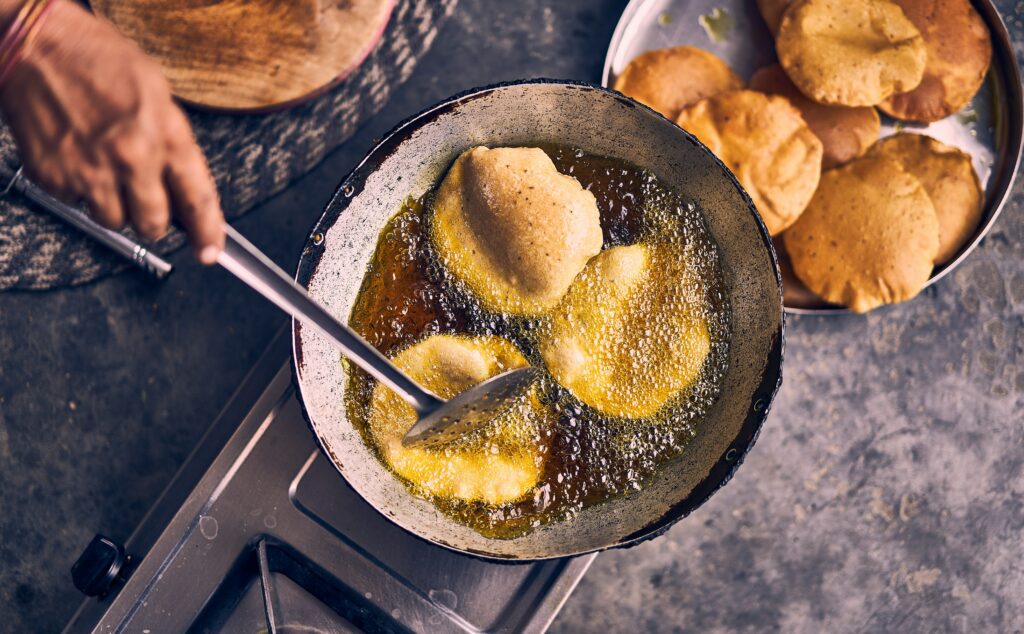
For Deep Frying
Popping food into hot oil means picking one that won’t break down when heated.
Heat stability makes peanut oil a frequent pick. Refined avocado oil shows up often, too, thanks to steady results when cooking long term. Another go-to is refined sunflower oil – it holds up without breaking down.
For Baking
Some baked items work better with neutral-tasting oils.
Baked goods like cakes or muffins usually turn out fine with canola oil instead of heavier fats. Light olive oil slips in neatly where a neutral flavor matters most. Quick breads rarely mind the switch either way. Some recipes handle both oils without any fuss at all.
For Salad Dressings
Still top pick, extra virgin olive oil brings bold taste that works well with herbs, then lifts vinegar, brightens citrus, pairs smoothly alongside spices.
For High-Heat Searing
Most folks reach for avocado oil when searing steaks – handles the blaze without breaking down. Its mild taste stays out of the way, letting the meat speak. High smoke point means it won’t burn fast like others might. That quiet strength makes it a go-to, especially when fire roars under the pan.
common mistakes and how to avoid them
Same Oil Different Uses
Some oils do one job, others handle something completely separate.
Poor flavor can come from using a light finishing oil when deep frying. Better outcomes happen when the oil suits how it is being used.
Ignoring Smoke Point
When heat pushes past an oil’s limit, taste turns sharp while consistency shifts. Some oils break down fast under high temperatures. Heat that crosses a threshold changes how food feels in your mouth. Pushed too far, oils release compounds altering aroma and quality.
Check cooking temperatures when choosing oils.
Improper Storage
Heat Air Light Speed Oxidation.
Keep oil tucked in closed jars, out of sunbeams if you can manage it.
Purchasing Excessive Amounts Without Need
Some oils go bad with age.
Purchasing amounts suited to how much your home uses keeps things fresh.
Overlooking Flavor Impact
Oil adds more than just texture.
Some strong olive oil changes dishes way more than mild canola or avocado versions. A different kind of richness shows up when you swap them out. Each pour brings its own weight into the pan. Not every oil fades quietly during cooking. This one pushes flavor forward instead of stepping back.
Expert Tips And Best Practices
Keep Several Oils on Hand
Most commercial cooking spaces use more than just one type of oil.
A mix of neutral and aromatic oils opens more options. While one stays quietly in the background, the other steps forward with character. Each brings something different – balance shifts depending on which leads.
Quality Matters More Than Promises
Most times packaging leans on flashy terms with little connection to how food actually cooks.
Freshness matters most when picking ingredients – how you plan to use them shapes what kind works best. Quality shifts depending on whether it’s raw or cooked later. Each choice bends toward purpose in the end.
Think About All Parts of the Recipe
Oil choice shifts with the dish, not price tags. What works depends on how you cook, not what labels say.
Monitor Oil Condition
Smell something off in the oil? That sour note means it is time to swap it out. Rancid hints on the tongue mean the bottle has passed its prime. When flavors turn strange, freshness has already left. Unpleasant whiffs signal spoilage – better pour it away.
A new bottle of oil changes how food cooks. It makes everything heat more evenly.
Read Labels Carefully
One version might be cleaner, another earthier – refinement shifts taste along with how hot it can get before burning. Smoke points drift depending on processing, while subtle differences emerge in scent and texture across batches.
Start by looking at what the label says – this way you know if the oil fits how you plan to use it.
Troubleshooting Common Issues
Food Tastes Burnt
Smoke could mean the oil got too hot.
Try a different oil when the heat gets too high. Cooking changes when you pick something that handles fire well. Heat can push some oils past their limit – choose one built for it instead.
Fried Foods Taste Oily
Oil temp might be low.
Frying at the right heat means food soaks up less grease while turning crunchy on the outside. Heat that’s too low leaves things soggy; just right makes them firm and golden. Crispness comes easier when the temperature stays steady from start to finish.
Oil Burns Fast
Depending on how you cook, that oil might not fit.
Maybe try something like avocado oil instead – it handles heat better. Refined sunflower works too, just less likely to burn.
Dressing Tastes Bitter
Peppery hints show up now and then in certain extra virgin olive oils. Bitter tones? They’re part of the deal too, straight from nature.
Start with a gentler type, then tweak using lemon or acetic acid if needed.
Oil Takes on a Bad Odor
The oil might be spoiled from old age or poor storage.
Most times a fresh batch of oil clears up the problem.
Frequently Asked Questions
Best Cooking Oil for Daily Use?
Most of the time, one best pick doesn’t exist. Even though extra virgin olive oil gets used often at home, avocado oil shows up just as much – its range and resistance to high temperatures make it stick around.
What kind of oil works well when you fry food?
Oil made from peanuts, along with processed avocado and sunflower kinds, often shows up in frying tasks due to how well they handle heat before smoking begins. Smoke resistance matters when picking which one goes into the pan first.
Is Olive Oil Safe for Cooking?
True, extra virgin olive oil works well when frying vegetables slowly. This type is also good if you’re baking chicken at medium temperatures. Another option includes tossing potatoes before placing them in the oven. Some people even pour it while heating fish gently on a pan. It holds up fine as long as the heat stays under control.
Which cooking oil can handle the hottest temperatures before smoking?
Most times, refined avocado oil can handle high heat better than many other kitchen oils. It stands up well when frying or searing at elevated temperatures. This kind because it’s processed tends to stay stable under intense warmth. Usually found on shelves near other common cooking fats. Its ability to resist burning makes it a frequent pick for stovetop tasks.
Should I Avoid Seed Oils?
Across the globe, seed oils show up in many kitchens. What works well ties into how you eat each day, what you’re doing with heat and oil, then also what tastes right to you – never just one thing by itself.
Storing Cooking Oils?
Keep your oil bottles shut tight, tucked away where it’s cold and out of the light. This slows down spoiling, keeps flavors steady over time. A closed lid blocks air, which means fewer changes in texture or smell later on. Darkness helps guard against breakdowns caused by exposure. Every drop stays closer to how it started when stored right.

Conclusion
Understanding the best cooking oils to use begins with recognizing that no single oil is perfect for every situation. Every type brings its own mix – taste, smoke point, feel, what it does for your body. When taste matters most, reach for extra virgin olive oil – it stands out. High-heat needs? Avocado oil handles those better than most. For everyday use without strong flavors getting in the way, options like canola or sunflower fill that space quietly.
Most of the time picking a single best oil misses the point. Instead, different uses call for different choices. When heat meets pan, the type of oil makes a difference. Using what fits the moment brings out better taste. Meals turn out more satisfying without extra effort. Knowing this simple idea changes how you cook. Confidence grows when basics make sense through helpful resources. Everyday food rises a little higher.