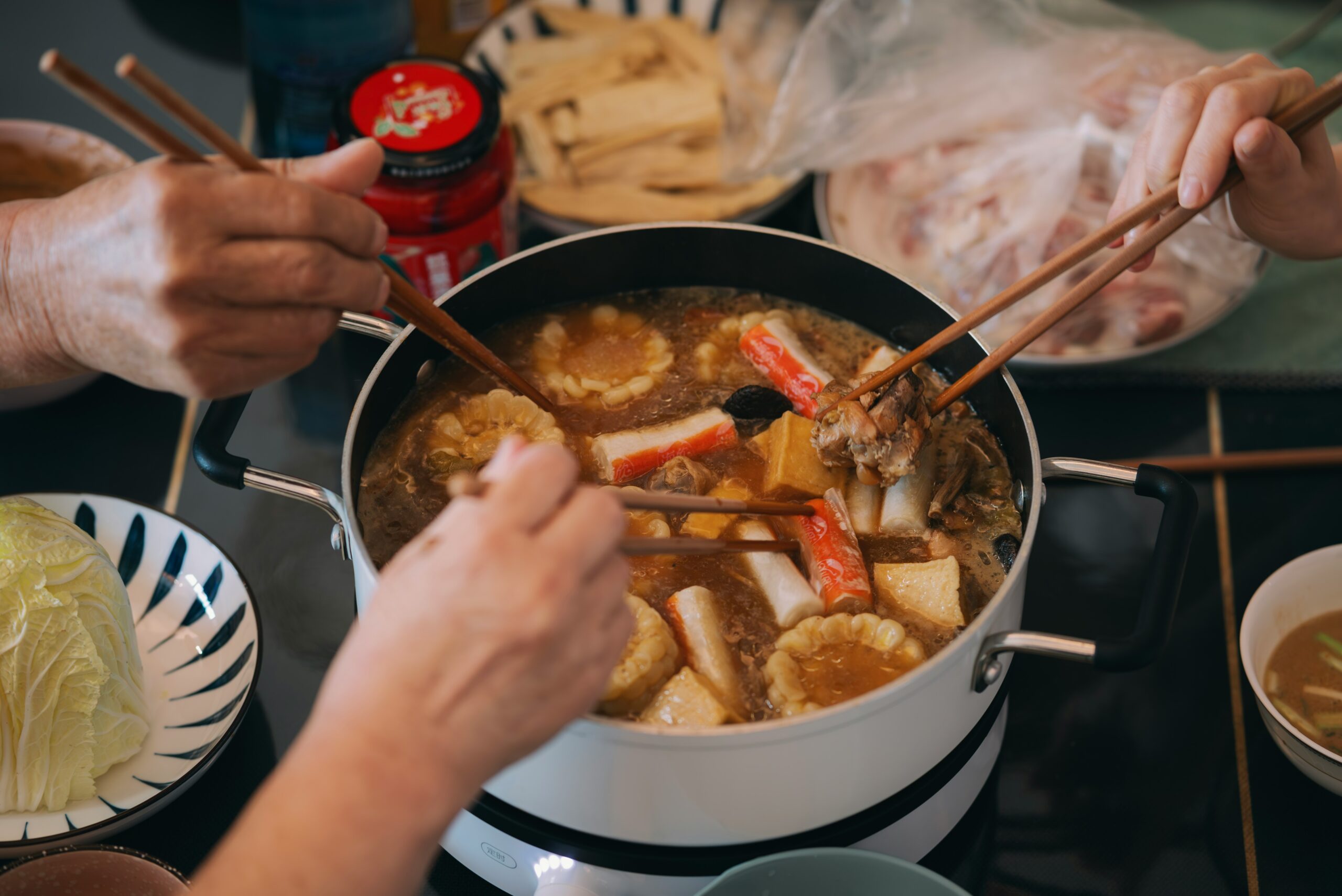
Cooking Crab Legs Simple Steps Avoid Errors Better Taste
Most folks think boiling crab legs takes special skill – turns out it just needs clear steps. Snow crab, king crab, or Dungeness – all follow nearly the same path once you get how they work. What trips people up isn’t starting raw, rather warming them right so the flavor stays bright, the meat tender.
Most folks drop quite a bit of cash on crab legs then ruin them by boiling too long, zapping moisture away, or drowning taste under heavy spices. Here’s what helps: take time to pick fresh-looking legs at the market instead of rushing past the display. Whether you steam, boil, or bake, each technique changes texture just enough to matter. Skipping prep steps often leads to uneven heat, rubbery bites, or flavors that never settle in. Problems show up fast – tough shells, weak aroma, meat stuck tight – but small fixes make a difference. Serving warm, not scalding, keeps the experience steady without burning tongues or dulling salt-kissed sweetness.
why this topic matters
Most homes and eateries treat crab legs as something special on the menu. When cooked wrong, unlike sturdier meats, they turn rubbery fast because their flesh won’t forgive rough handling.
Most people miss how method matters when heat meets food. A careful hand keeps taste alive, plus stops good ingredients from going to waste. Cost means something here – this isn’t your average fish bought on impulse. Getting it right makes each bite worth what you paid.
Most people buying crab legs at shops aren’t aware they’ve often been boiled right after being caught. So instead of starting from raw, you’re really just warming them up. That bit of knowledge shifts everything – how long you heat them, what method you pick, even when to stop. Skip it, and errors creep in fast.
Starting with safety, how you handle food shapes more than just flavor. Presentation gains when steps are followed carefully. The meal feels better altogether if basics are done right.
What To Know About Crab Legs Before You Cook Them
Most Crab Legs Come Precooked
Most crab legs sold today get cooked right after harvest, then quickly frozen according to seafood handling and preservation practices. What matters when preparing them is knowing they’re already done before you even start.
Most of the time, those crab legs just need warming up once you get them home. Keeping their flavor intact starts the moment they’re handled right.
This is why harsh techniques tend to damage food instead of improving it.
Common Types of Crab Legs
Different crab species offer different textures and flavors.
King Crab Legs
Big claws of king crab stand out because of their hefty build and plump segments. Their taste hits deep, savory notes while staying clean on the palate. What makes them special is how solid they feel when you bite – meat holds together without crumbling. Fans of ocean fare often come back to these for that satisfying chew.
Snow Crab Legs
Cracking open a snow crab leg? They tend to be on the smaller side, simpler to handle. Not quite as bulky as king crab, their flavor leans sweet – almost soft on the tongue. What stands out isn’t boldness – it’s that gentle touch of taste.
Dungeness Crab Legs
Some folks along the coast favor Dungeness crab for its gentle sweetness. Though it could be broken apart, usually you’ll find it presented intact instead of split into pieces.
Figuring out what kind of dish you’re making sets how much it serves plus how long it needs to cook.
Cooking Crab Legs Basics
Before choosing a cooking method, there are several basic principles worth understanding.
Start by managing the heat. Warmth helps crab meat stay tender. Too much of it pulls out liquid, leaving behind something tough or chewy.
Keeping things moist matters next. When techniques lock in dampness, outcomes tend to improve since juice stays put instead of escaping.
Here’s where taste gets tricky. Crab tastes like the sea – clean, a bit salty, faintly sweet. Too much spice drowns out its quiet charm. Balance matters more than boldness.
Bold flavors can get in the way – crab shines when paired with basics like melted butter, a squeeze of lemon, or crushed garlic. Fresh herbs lift the taste without crowding it. Complexity isn’t always kind here; quiet additions tend to work harder. A light touch beats heavy seasoning every time.
The Best Ways to Cook Crab Legs
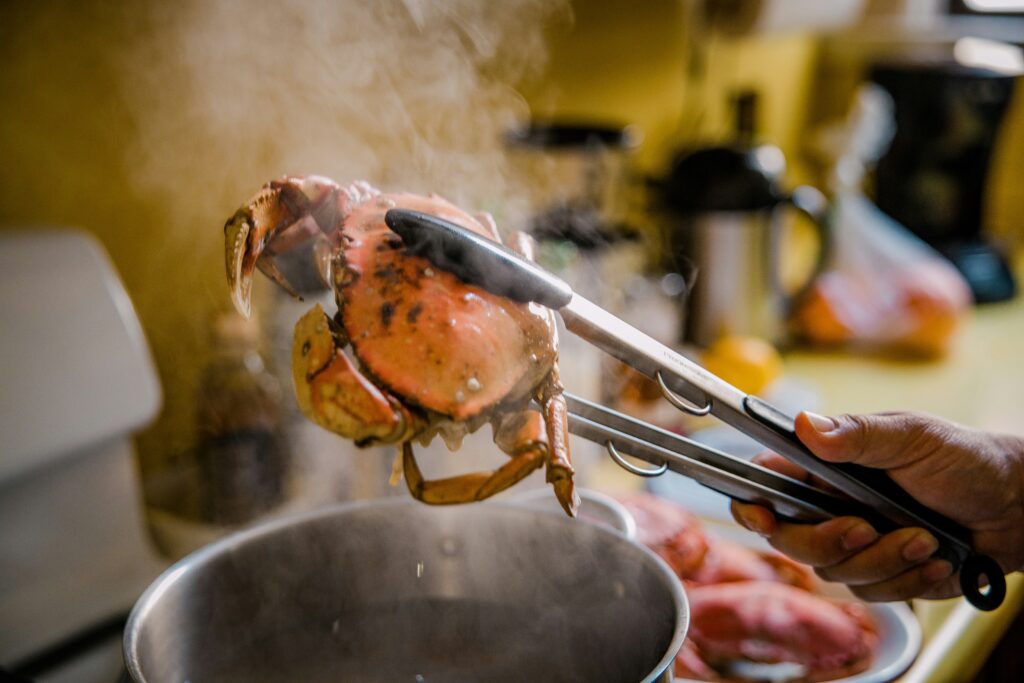
Steaming Crab Legs
For plenty of those who work with fish daily, cooking it with steam feels like a go-to move.
A small amount of water goes into a big pot, then heated until it barely bubbles. Crab legs rest inside a steamer tray held over the liquid, the lid slides on top.
Start them over steam, and thawed crab legs need around five to seven minutes. When they’re still frozen, add a bit more time – maybe three or four extra. The heat works slower if ice is present.
Warm vapor softens the meat slowly, keeping its juices locked in. Moisture stays put because the heat moves easy, not harsh. Tender results come from quiet warmth, never rushing. The steam wraps around, doing its job without force.
Boiling Crab Legs
Water hitting its boiling point becomes steam – that method sticks around since just about anyone can try it. A stove plus a pot gets the job done without needing special tools.
Start by pouring water into a big pot, then wait for tiny bubbles to rise slowly. Once that happens, slide the crab legs inside so they can warm up completely.
Boiling does a decent job, yet leaving the legs underwater too long tends to weaken the taste just a bit. That’s why steaming shows up more often in kitchens where skill matters.
Baking Crab Legs
Baking offers convenience, especially when preparing large quantities.
Start by laying the crab legs into a baking dish, then pour in just enough water to help form steam. A tight layer of foil goes on top before sliding it into the oven so everything warms evenly. Wait until the heat runs all the way through – no rushing.
Flavor tweaks come naturally here. Before the dish goes into the oven, try tossing in butter alongside garlic and fresh herbs to let tastes blend slowly.
Grilling Crab Legs
Smoke from the grill brings out the crab’s sweet taste in a quiet way. The heat changes how it feels, yet keeps its softness alive underneath.
Start by rubbing a little oil or melted butter across the shells. Set them on the stove at medium warmth. Flip every now and then as they warm up inside. Heat stays steady when movement is slow.
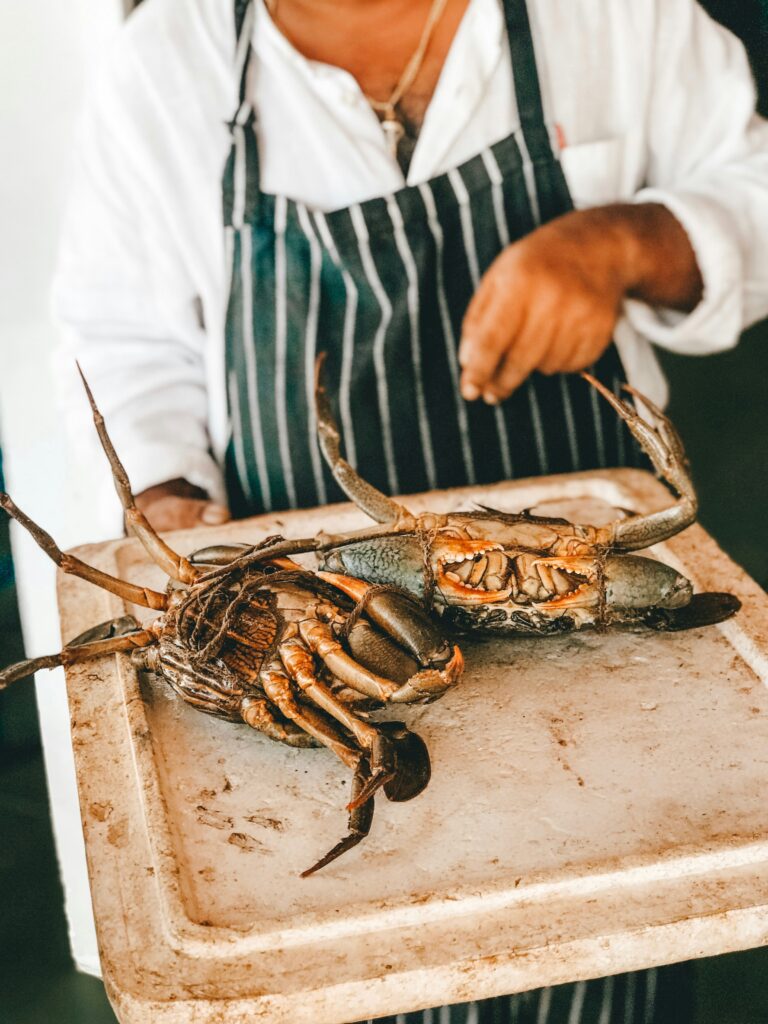
Since crab legs come precooked, a quick pass on the grill works best. Too much time near the flame tends to pull moisture away.
Selecting Quality Crab Legs
Before the stove ever lights up, quality has already taken shape.
Ice-heavy packaging? Could mean the crab legs thawed more than once. Spotting a frosty chunk inside might suggest poor storage along the way.
Apart from cracks, each shell ought to look whole. Damage that stands out means it’s not right. Whole pieces sit better on display. Breaks change how they feel in hand.
Fresh crab legs ought to carry a crisp scent, like sea breeze on skin. A sharp, sour smell? That’s trouble knocking.
A good crab needs little spice since its taste stands on its own.
How Method Affects Outcomes
Consider two home cooks preparing the same package of king crab legs.
Bursting into action, the first chef drops crab legs into a rolling boil – water roils for twenty full minutes. As time ticks on, moisture flees; what once tasted sweet now tastes distant, muted by heat’s insistence.
After that, steam the legs six minutes under a light touch. Melted butter pools beside them when plated, brightened by lemon. Cooking finishes just as warmth holds without toughening.
One started slow, the other rushed ahead – same pieces, separate outcomes. Stillness shaped one batch while motion twisted the other, even though nothing was added or removed. What changed wasn’t the mix but how time touched each. A quiet shift made all the difference, invisible at first glance.
Most times, getting it right with crab legs isn’t about the recipe at all. What really matters tends to be how you handle them step by step.
Crab Legs and What Goes With Them
Just boiling crab legs isn’t what makes dinner stick in your mind.
Baked potatoes shine just right beside grilled fish, letting flavors breathe. A quiet salad steps in without stealing attention from shrimp. Steamed greens arrive late but matter most when taste counts. Even plain rice holds space well near bold sauces. Quiet sides speak loudest when dinner talks about balance.
Some roasted veggies add crunch plus keep things in harmony. Broccoli, green beans – steamed – or asparagus often show up on plates.
Beyond the richness of buttery sauces, rice holds flavor without weighing down delicate crab. Though subtle, it carries taste well, letting seafood stay front and center. Even when soaked in savory notes, the grains keep balance, never drowning out sweetness. Instead of dominating, they support – offering a base that enhances rather than masks. With each bite, texture meets taste quietly, making space for crab to lead.
Bread with a firm crust works well here – its texture traps pools of warm butter along with the rich liquid from the cooked shellfish. Each bite holds together just long enough to carry flavors without turning soggy too soon. The outer layer stays crisp while soaking up savory drips underneath. Pieces tear easily, letting sauce cling instead of sliding off.
Citrus-dressed greens bring a zesty lift, particularly alongside meals that feel heavy. A bowl of crisp leaves cuts through richness, offering sharpness where flavors flatten.
common mistakes and how to avoid them
Overcooking the Crab
Most often, folks trip up right here.
Most crab legs come pre-cooked, so heating them too long does nothing useful – usually it just makes the meat tough through excessive heat exposure. Instead of improving flavor, extra time near heat tends to degrade what was already done well.
Always focus on warming rather than cooking.
Forgetting to Thaw Properly
Thawed crab legs tend to heat more evenly when cooked, though they can go straight from freezer to pot. Refrigerator defrosting takes patience – leave them there all night – or skip it if speed matters more.
Bacteria might grow if the meat warms too slowly on one side. Cold spots hide where warmth hasn’t reached yet.
Using Excessive Seasoning
Fresh fish often gets doused in fancy spices because folks think luxury demands drama. Yet simplicity sometimes shows flavor better than clutter ever could.
Freshness often gets lost when strong flavors take over. Crab’s subtle taste? Easily buried by bold seasonings.
Keeping Eggshells Intact When Served
Breaking up bigger pieces just a bit prior to serving helps people eat with less effort. A small change like this often leads to happier responses from those at the table.
A small change before serving might just make the meal feel better. It’s surprising how much difference comes from one quick task done ahead of time.
Expert Tips and Best Practices
Experienced seafood chefs often emphasize simplicity.
Breathe in slowly as steam rises from water warmed with lemon and garlic. Even though taste barely changes, scent deepens quietly through the air.
Warming the butter before serving gives people a chance to decide for themselves. Instead of drizzling it on top, set it aside in a small dish. That way each guest chooses what feels right.
Right away matters just as much as warmth when serving crab. Fresh heat brings out the flavor most.
Start with sides when hosting – this keeps the crab tasting fresh once it hits the table.
Some experts suggest using kitchen shears rather than old-style crackers. These tools tend to slice more neatly while reaching the flesh without trouble.
Troubleshooting Common Issues
Crab Legs Turned Rubber Why?
Most of the time, a chewy feel means it was cooked too long.
Start by cutting down how long you heat it. Skip high temps that cause harsh bubbling.
Meat Turns Out Dry?
Too much heat can leave meat tough. Moisture loss while warming it up plays a big part too.
Most of the time, steam stops this problem before it starts.
Crab Tastes Bland?
Most people find crab tastes subtle on its own. To lift the flavor, try pouring warm butter over it – this pairs well with a squeeze of lemon. A hint of roasted garlic works too, blending gently instead of taking over.
Meat Sticks Because It Clings To The Bone?
Cracking might fail when force isn’t applied just right.
Kitchen shears often make removal much easier than traditional cracking tools.
Crab Texture Changes When Cooked?
Mistakes happen if frozen crab legs go straight into heat without a slow warm-up first. Water builds up where it shouldn’t when that step gets skipped too fast.
Most of the time, waiting long enough before using frozen items helps them feel more natural. A slow melt keeps things from turning rubbery or uneven.
The Role of Presentation
Pictures look better when they’re put together right. How things appear can make a big difference, even if folks don’t always notice it at first.
A neat row of crab legs rests on the plate, bright yellow lemons sliced beside them. Soft green herbs curl around one edge, adding color without fuss. A small bowl of warm golden butter sits close by, ready but not demanding attention. The whole setup feels calm, unhurried, almost quiet in its presentation.
A meal’s look can shape how good it seems before the first bite even arrives. Some kitchens treat plating like painting, careful with every placement. What meets the eye tends to set expectations, whether stated or not.
A plate arranged with care turns ordinary food into something worth noticing. What matters most sits not just in flavor, but how it meets the eye first.
Frequently Asked Questions
Are crab legs already cooked when purchased?
Most times, that is right. After being caught, crab legs meant for sale often get boiled fast – soon after, they go into the freezer.
How do you cook crab legs the right way?
Moisture stays locked in when steam warms the meat slowly, which is why many choose this method. Flavor remains intact, thanks to the soft touch of heat applied through vapor instead of direct contact.
Should crab legs be thawed before cooking?
Start with thawed pieces if you want heat spread steady through. Frozen ones work too when time runs short yet still turn out right.
How long should crab legs be heated?
Five to seven minutes of steam usually warms up most defrosted crab legs just right. A light heat brings them to serving temperature without overcooking. Gentle methods work best after they are already thawed. Some prefer a steamer basket; others use a covered pot with a little water. Time matters more than high heat when finishing these. The goal stays simple: warm through, keep tender.
Can crab legs be grilled?
True enough. A grill brings out a light hint of smoke – perfect when you’re cooking king crab legs. While it’s heating up, the shells start to char just slightly. That touch gives depth without overpowering the sweet meat inside. Heat changes everything here, slowly pulling aroma from wood or charcoal. You’ll notice the difference first in scent, then taste. Each bite carries warmth along with briny freshness. Not every method does that.
What should I serve with crab legs?
Roasted veggies often show up alongside meals, while rice brings a soft base. Salads pop in with freshness, breaking the heavy notes. Potatoes appear either mashed or baked, adding comfort. Crusty bread lands on plates when texture matters most.
Conclusion
Crab legs? Easier to handle than folks think. Most come precooked – just needs warming up, nothing more. Steam them, bake them, drop into hot water, or lay on the grill. Moisture stays in, heat stays low, timing stays short. Overdo it, and texture turns rubbery fast. Each method works – if done right.
Start with fresh crab legs, then warmth brings out their best taste. Good heat control matters more than fancy tools ever could. Season lightly, since strong spices drown what makes them special. The right touch turns simple steps into something worth remembering. Anyone can do it, even on a regular Tuesday night with a few helpful guides.