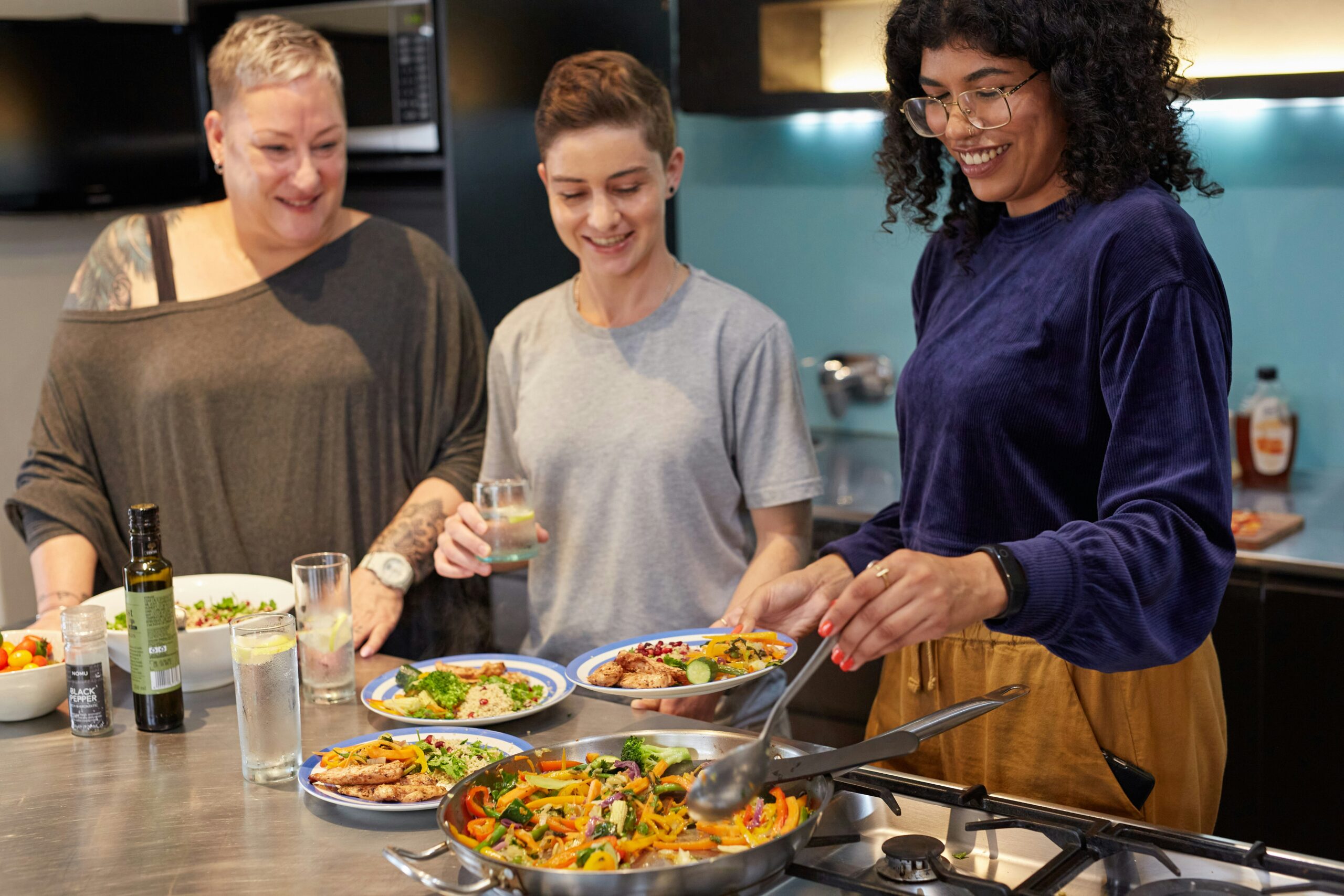
High Heat Cooking Oil What You Need to Know
Picking an oil matters just as much as picking your meat or veggies when flames get involved. Heat changes everything – especially if the bottle on your shelf cant handle it. Some oils turn smoky before you even smell dinner. Others leave behind a weird aftertaste, like something burned that didnt need to burn. Texture shifts too – a crisp might flop, a crust could stick. Seasoning means nothing if the fat underneath betrays the dish. Smoke points arent just numbers – they show up as haze in your kitchen. A good sear needs more than patience – it needs the right slick coat beneath it. Oils behave differently under fire; pretending they dont leads to messy pans and dull results.
Heat changes oils in ways that affect your food. When the pan gets hot, picking the right one keeps flavors steady and stops smoke from rising too soon. Searing meat? That crisp needs stability. Tossing veggies fast means the oil must hold up under pressure. Roast potatoes until golden only if the liquid resists breaking down. A cast-iron surface demands something tough enough to endure without turning bitter.
Most folks overlook the role of oil when turning up the flame. Yet what you pour into the pan shifts everything once temperatures rise. Smoke point isn’t just a number on a label – it’s where flavor begins to break down. Some oils hold steady under fire; others fall apart fast. Choosing wrong leads to bitter smells, greasy food, even kitchen smoke alarms. Experts often warn against assuming olive oil fits every task. Canola might seem safe – but heated too long, it turns sharp.
Avocado oil surprises many with its calm under pressure. Testing heat before adding oil saves meals more than people admit. Watch for a slight shimmer rather than smoke to know it’s ready. Reusing old oil adds hidden risks few track. Each cook eventually faces oily splatters or dull searing – small signs of deeper missteps. Learning which bottle belongs at high heat changes results without changing recipes.
Why This Topic Matters
Most folks toss cooking oil into meals without much thought, yet it shapes how food cooks in quiet ways. When heated, each type behaves unlike the others. A few stand strong under intense heat, whereas some fall apart before things really get hot.
Smoke shows up when oil gets too hot. After that moment, it can change how food tastes, also making cooking less effective. Knowing which oils handle heat well matters if frying or searing often happens in your kitchen. High temperatures push oils past their limits, so picking the right one keeps meals consistent. Heat resistance isn’t just a detail – it shapes results every time pans get blazing. Learning a few safe cooking practices explore home page can make high-heat cooking more predictable and effective
Start high heat without checking first, a bitter flavor might ruin your dish. Smoke fills the air when oils break down too soon. Pick one that suits the pan’s temperature, results turn more reliable. Crispness gets better, meals cook smoother. Wrong choice, everything feels harder.
High Heat Cooking Oil Explained?
When heated a lot, some oils hold up better than others. These stay stable longer because they resist burning at high temps. Smoke shows when an oil breaks down – good ones take more heat before that happens.
Smoke shows up when oil gets too hot – that moment marks its limit. Some kinds handle heat better, depending on how they are made or what they’re pulled from. Processing steps plus purity shape how soon a bottle starts to haze.
When heated a lot, some oils hold up better than others. These kinds work well for methods like frying in deep oil, browning meat fast, char-grilling, slow oven baking, plus stir-frying quickly on high flame.
Start high, go hotter – picking the right oil matters most when flames rise. Heat climbs, protection must keep pace. Wrong choice here? Smoke fills kitchens fast. Stability under fire defines what works. Some oils crack under pressure, others hold firm. Temperature spikes expose weak links quickly. Pick strength, not just shine.
Smoke Point Basics What You Need to Know
Smoke begins to rise at a certain temperature – that moment matters more than you might think when picking an oil for the pan.
Smoke rises when oil gets too hot, crossing its limit. Unpleasant tastes might form in the pan because of it. Cooking slows down while fumes fill the air above the stove. Dishes that tasted good before now carry a bitter note after frying. Enjoyment fades once the meal picks up those harsh tones.
A sizzling pan might fill the air with thick smoke when the oil burns under high heat, say during steak searing. Though the meat continues to cook just fine, the taste could turn off-putting. Smoke alarms aside, the whole process feels less pleasant than it should.
Oil behaves differently when heated, so knowing its limit matters. A low threshold means gentle heating works best. High heat needs a sturdy oil. Pick the right one by how hot your pan gets.
Common Types of High Heat Cooking Oil
Some oils work well at high heat simply due to higher smoke thresholds. Their stability under intense warmth makes them common picks for frying. Though not all liquids handle blazing pans the same way. A few stand out just by resisting breakdown when things get hot. Heat tolerance is why certain types appear often in sizzling skillets. These particular ones manage to stay clear even when temperatures rise sharply.
Oil Type
Approximate Smoke Point
Avocado Oil
500°F–520°F
Refined Peanut Oil
450°F
Refined Sunflower Oil
440°F–450°F
Refined Canola Oil
400°F–450°F
Refined Safflower Oil
450°F
Refined Soybean Oil
450°F
Refined Corn Oil
450°F
Processing techniques or the grade of the item can shift these numbers a little.
What stands out? Refined oils handle heat better compared to most unrefined types. Though not always obvious, their processing makes a real difference when things get hot.

How Cooking Affects Which Oils You Use
Some ways of cooking need oil to behave one way. Others ask it to do something else entirely.
Pan Searing
Hot pans pull flavor from meat when searing happens fast. Stability under sudden fire matters most in cooking oils here.
Stir Frying
Heat moves fast when stir frying, so oil must keep up without burning. Because temperatures climb quickly, using a type that withstands high levels makes a difference. A pan can get blazing in seconds – this means the liquid inside needs staying power. When flames rise, only certain fats stay stable under pressure. Rapid movement across metal demands resilience from what coats it.
Deep Frying
Prolonged heat hits oil hard during deep frying. When things stay hot too long, standing up to that stress matters most.
Roasting
Baked dishes often need less heat than fried ones – yet a good oil helps crisp the surface when warmth builds slow. Heat tolerance matters just as much without blazing flames nearby.
Grilling
Smoke shows up when oil hits hot food on the grill, simply due to high temperatures at play. Heat changes everything – especially how oils behave during cooking. Direct contact matters since surfaces get intensely warm fast. What happens then depends on the oil used. Some hold up, others break down early under pressure.
The Science of How Oils Stay Stable
Some cooking oils handle high temperatures differently than others.
When heat hits oil, its makeup decides what happens next. The shape of its fats plays a role, just like how clean it is after processing. Stored wrong, even good oil turns weak under warmth.
When it comes to frying or searing, refined oils usually work better since the cleanup during manufacturing strips out bits that could burn too soon. Heat handles them well once those weak spots are gone.
Just because something works well somewhere doesn’t mean it fits everywhere. What matters is how the oil behaves when you’re actually using it.
Seeing how they differ lets cooks decide based on what works, not just because it’s always been done that way.
For a broader look at how different fats behave during cooking, explore this guide to cooking with fats and oils.
Real-Life Kitchen Example
Consider a home cook preparing vegetables in a cast-iron skillet.
Minutes pass as the empty skillet warms up on the burner. When the oil hits the surface, it can start smoking right away – especially if its heat tolerance isn’t very high.
Some veggies might brown in patches while smoke fills the room slowly. Smoke sometimes rises when uneven color shows on the greens.
On the flip side, picking an oil built for high heat helps veggies cook right without wrecking the taste or making things messy in the pan.
A single moment in the kitchen shows how your choice of oil can shift everything. What seems minor actually steers the outcome behind the scenes. Even basic cooking leans on this quiet decision.
High Heat Cooking Oils for Daily Use
One oil often does just fine in most kitchens. Some folks stock many types, yet rarely use them all. A single versatile choice tends to cover everyday tasks well. Situations demanding rare bottles come up less than expected.
Knowing what heat level a recipe needs makes picking tools easier. Still, it is the range that matters most when choosing equipment.
When you fry often, picking an oil that handles high heat well tends to make dinner easier. Cooking at lower temps? More types fit without trouble.
Kept wrong, even good oil turns bad. Light, heat, or air – too much of any and the quality drops fast.
Stored away from heat and light, oils stay stable longer. A cupboard far from the stove works well. Darkness slows breakdown. Cool spots prevent thinning. Each time you skip a sunny windowsill, quality lasts. Consistent low temperatures support better results over time.

High Heat Cooking Oil Errors People Often Make
Oil confusion causes plenty of kitchen mishaps.
Wrong Oil for the Weather
Most people get it wrong by choosing oils only for taste, ignoring how hot the pan gets.
Just because a bottle pours nicely into greens doesn’t mean it’ll handle high heat.
Ignoring Visible Smoke
Some people continue cooking after oil begins smoking heavily.
Smoke fills the air when flavors shift too far off track. Kitchen clouds rise without good reason.
Heating a Pan with Nothing Inside
Once a pan heats up too much, tossing in oil can make it start smoking almost right away.
Reusing Oil Excessively
Over time, reheating tends to wear down the oil’s original properties.
Checking how it looks, smells, works during cooking – these show if swapping makes sense now. A change might fit better once signs add up across those areas.
Improper Storage
Over time, warmth from the sun can dull the quality of oil. Heat exposure often plays a role too, slowly changing its character. Sunlight tends to speed things up, nudging freshness downward. Temperature shifts matter more than some realize. The longer it sits out, the less vibrant it becomes.
Kept right, things stay good longer.
Troubleshooting Common Issues with Oils at High Heat
Now and then, even seasoned chefs face hiccups in the kitchen.
The Oil Starts Smoking Right Away
Maybe the heat is up too high. Or perhaps the oil just can’t handle how hot it’s getting.
Sometimes turning the temperature down a little fixes it.
Food Cooking Faster Than Expected
Too much heat on the outside might brown food fast while the middle stays underdone.
Turning the knob just right makes a difference. Sometimes it’s the small twist that changes everything.
Uneven Cooking
Most times, too many items in the pan slow things down. Heat moves unevenly when space runs out.
Working in smaller batches may help.
Unpleasant Burnt Flavor
Heat breaks down oil if it’s pushed past its limit too many times.
Using a different oil that handles heat better could make a difference. Sometimes small changes like this shift results in noticeable ways.
Too Much Leftover in Cooking Pot
Bits of food that stay behind in hot oil might turn dark, adding bitter notes. Oil keeps cooking them long after frying stops.
Cookware needs a good wash after each time it’s used – that keeps things under control. A proper rinse every now and then stops buildup before it starts.
Expert Tips for Better Results
Most chefs pay close attention to heat levels instead of just sticking to written instructions.
Pots warm up better when heat climbs slow instead of blasting right away. A steady rise keeps things steadier while food cooks.
Just before you start cooking, pour in the oil instead of letting it sit too long in a heated pan.
Oil sliding fast means it’s hot enough. Cooks watch that little detail closely.
Pots and pans that stay grimy often cause problems later. Leftover bits of old food heat up fast, turning into smoke while weakening how well the oil works.
Choosing an oil without knowing how you’ll cook can bring surprises. When the heat level matches the fat, things tend to go smoother. Picking based on technique makes outcomes less of a gamble. A focus on safe cooking practices often leads to better results in the kitchen.
Improving Searing Performance Case Study
Each evening, dinner began with sizzling meat hitting hot iron. That heavy pan never left the stove long. Smoke curled toward the ceiling as edges browned perfectly every time. Through years of cooking, nothing else worked quite like it.
Smoke would rise through the air even when every step was done right, long before the meat began to sear properly.
Oil choice turned out to be the real culprit – cooking method stayed blameless once everything was checked. Not how it was cooked, but what lubricated the pan made all the difference when tested.
A shift toward an oil built for intense heat changed how things turned out. Watching the pan closely helped too – less smoke rose up when the heat stayed steady. Browning improved without filling the kitchen with haze.
Faster results showed up once the taste got better while mess handling simplified too.
Small changes in which oil you pick might shift how your food turns out. A different choice could mean the dish feels lighter or richer without altering anything else. Cooking results often reflect that tiny swap in ingredients. The flavor may come through clearer, even if nothing obvious changed. What goes into the pan matters more than it seems at first glance.

High Temperature Cooking Methods Compared
Cooking techniques ask varied things from oil.
Heat stays strong a long time when deep frying. A quick blast of intense fire defines searing.
Most of the time, roasting works best when things stay steady for a while. On the flip side, stir frying needs fast movement of heat to do its job.
It becomes clear how cooks pick certain oils when you see what sets them apart.
Looking at how oil behaves with different ways of cooking helps make smarter choices. Instead of chasing one fix, it’s more useful to see how they connect.
Frequently Asked Questions
What is considered a high heat cooking oil?
When you turn up the heat on the stove, some oils hold up better than others. What sets certain ones apart is their ability to stay stable at high temperatures. These types of oils resist burning when used for methods like frying or grilling. Instead of breaking down quickly, they maintain their structure under intense heat. Roasting or searing often demands this kind of resilience. Smoke point plays a big role here – the higher it is, the more suitable the oil for hot cooking.
Why does cooking oil smoke?
Smoke shows up when oil gets too hot. That heat level is called the smoke point. Performance while cooking can shift once that happens. The moment wisps rise, things change in the pan.
Could the temperature oil can handle be everything we need to know?
Oil behaves differently depending on taste, how it’s heated, where it’s kept, yet its shelf life matters just as much.
Can high heat cooking oil be used for everyday cooking?
True. Oils that handle heat well often work just fine when you’re putting together everyday dishes. Some fit both jobs without any trouble at all.
How should cooking oil be stored?
Keep your oil somewhere out of the sun, maybe in a cupboard. A spot that stays cool works best. Heat can change how it tastes. Darkness helps protect its quality. Think pantry, not windowsill. Light fades flavor over time. Room temperature is usually fine. Just avoid stoves or ovens. Stability matters more than perfection. Even small warmth adds up.
Why does food sometimes taste burnt even when it isn’t overcooked?
Should the oil go past its smoke point, burnt tastes may form – these linger in the meal despite perfect cooking. A shift in temperature beyond safe limits leaves a mark, one not fixed by careful preparation alone.
Related Articles
Curious about cooking? These subjects could catch your attention next. Some folks dig deeper here after trying a few recipes. Exploring new angles keeps things fresh in the kitchen. Maybe one of these will spark an idea. Different paths open up when you look beyond basics. A few extra steps can change how you see everyday meals
- Understanding Smoke Points in Cooking Oils
- How to Sear Meat Properly
- Common Frying Mistakes and Solutions
- Cast Iron Cooking Techniques
- Safe Deep Frying Practices
Conclusion
Oil choice matters just as much as what you’re cooking. Not everyone thinks about it, yet the kind poured into a pan changes how food tastes and feels. Smoke rises faster with some oils than others when heat climbs. Knowing which ones hold up under pressure helps avoid messes and off-flavors. Picking wisely means checking how hot each type can go before breaking down. Every method – from frying to searing – works better with the right match.
Start high heat jobs like browning meat with oils that handle it well. When tossing veggies fast in a pan, pick one that won’t burn too soon. Roast roots or proteins using something stable under long exposure to warmth. Frying? Only choose fats proven to stay steady when fully submerged and bubbling hot. Skip the errors most make early on. Lean into methods pros rely on quietly. Watch how warm things get – too cool means soggy, too hot brings smoke. Better outcomes come simply by noticing details already within reach. Complexity never has to be part of the plan.