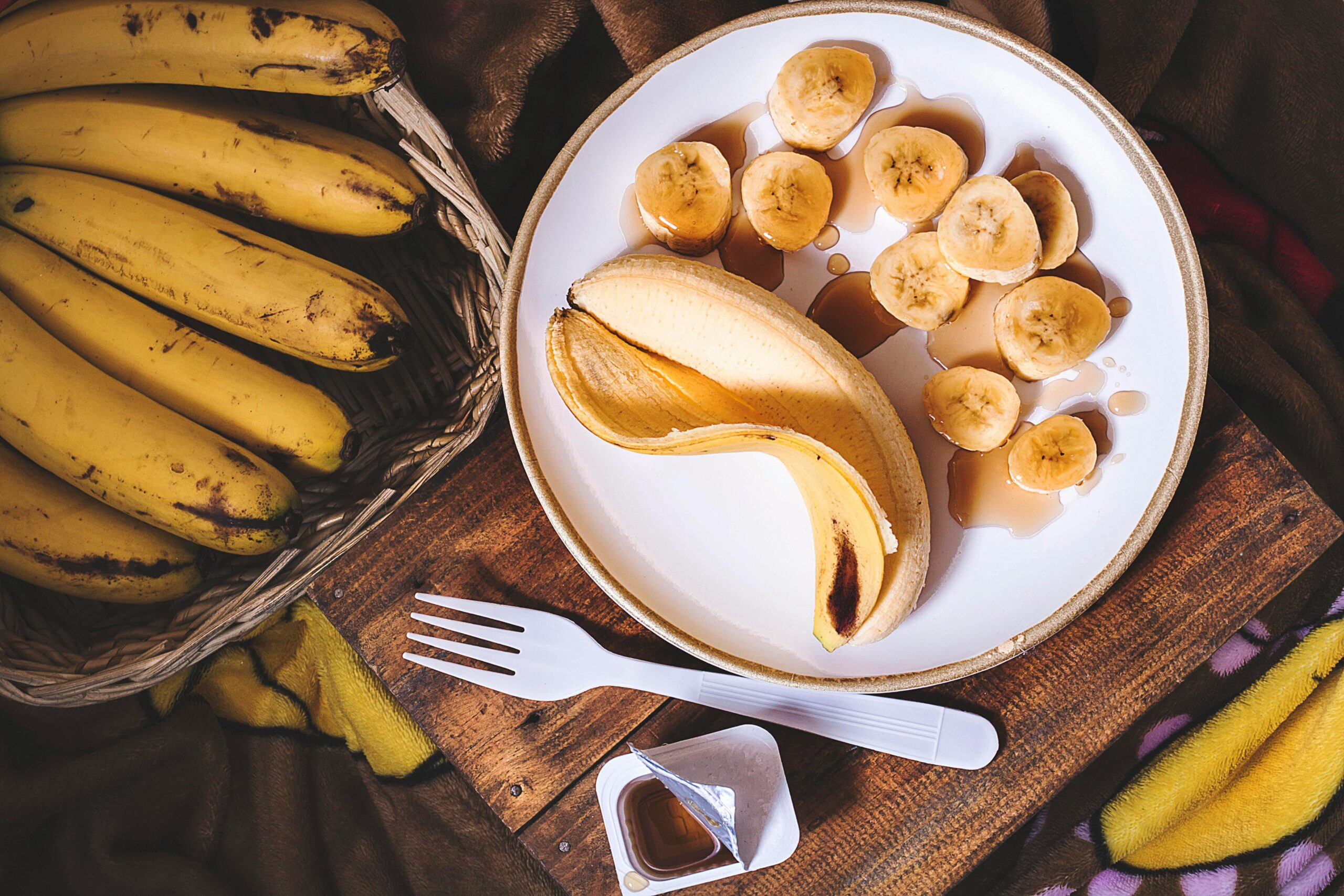
Bananas: the perfect fruit The number one favorite fruit for a reason, bananas are one of the most convenient, healthful and most versatile of all fruits. We love to eat them raw as a snack, throw them in our smoothies, chop them over our cereal or use them in baked goods such as banana bread, muffins and pancakes. Unfortunately, if we want them to last for a few days we’ll likely end up purchasing bananas that are still mostly green or only faintly yellow. That is incredibly irritating when you’re on the brink of baking a pie with a banana, or frankly just prefer the sweet flavor of yellow.
If you’re wondering how to ripen bananas fast, the good news is that there are several reliable methods that can speed up the natural ripening process. “This varies by the method, with some taking only hours while others are accomplished in under an hour. The best method also depends on if your intended use is for baking, eating fresh, or preparing desserts.Here’s a look at how to ripen bananas using different methods, which deliver the tastiest results, and which methods aren’t worth trying.
Why Do Bananas Ripen?
Understanding how bananas ripen makes it easier to choose the right method by learning about fruit ripening science.
Bananas are climacteric fruits, which means they continue ripening even after they are harvested. This happens because they naturally produce ethylene gas, a plant hormone that triggers ripening.
As ethylene increases, several changes occur inside the fruit:
- Starches gradually convert into natural sugars.
- The peel changes from green to yellow and eventually develops brown spots.
- The flesh becomes softer and creamier.
- The aroma becomes stronger and sweeter.
- The flavor develops greater sweetness and complexity.
Every method used to how to ripen bananas fast works by either trapping ethylene gas around the fruit or using gentle heat to mimic some of the natural changes that occur during ripening.
How to Ripen Bananas Fast: Which Method Works Best?
Different situations call for different techniques. Some methods preserve the banana’s natural texture, while others are better suited for recipes.
| Method | Time Required | Best For |
| Paper bag | 1–3 days | Naturally ripened eating bananas |
| Paper bag with apple | 12–24 hours | Faster natural ripening |
| Warm room | 2–5 days | Slow, even ripening |
| Oven | 15–30 minutes | Banana bread and baking |
| Microwave | Under 1 minute | Emergency baking only |
Although several methods can help how to ripen bananas fast, not every approach produces the same results.
Method 1: Use a Brown Paper Bag
The brown paper bag method is considered the most reliable way to naturally speed up ripening.
Instead of allowing ethylene gas to disperse into the room, the paper bag traps it around the bananas. As the concentration increases, ripening accelerates.
How to Do It
Place the bananas inside a clean brown paper bag.
Fold the top loosely to keep the gas inside while still allowing limited airflow.
Store the bag at normal room temperature away from direct sunlight.
Check the bananas every 12 hours.
Most bananas become noticeably riper within one to three days, depending on how green they were initially.
Unlike plastic bags, paper allows enough airflow to reduce excess moisture while still concentrating ethylene.
Method 2: Add Another Ripe Fruit
If you need to know how to ripen bananas fast, adding another ethylene-producing fruit can significantly speed up the process.
Apples, pears, avocados, peaches, and ripe bananas all release ethylene gas naturally.
When placed together inside a paper bag, the overall ethylene concentration increases, encouraging the green bananas to ripen more quickly.
This technique often reduces ripening time by an entire day compared to storing bananas alone.
Method 3: Leave Bananas in a Warm Room
Temperature plays a major role in ripening speed.
Bananas stored in a comfortably warm room generally ripen faster than those kept in cool environments.
An ideal location includes:
- a kitchen counter
- dining room table
- pantry shelf
Avoid placing bananas in direct sunlight.
While warmth encourages ripening, excessive heat may soften the fruit unevenly or damage the peel before the inside reaches the desired texture.
Method 4: Use the Oven for Immediate Results
Sometimes you do not have a full day to wait.
When you’re baking banana bread, muffins, or similar recipes, using the oven is one of the quickest methods for ripening bananas.
Step-by-Step
Leave the peel on.
Arrange the bananas on a baking tray lined with parchment paper or foil.
Bake at approximately 300°F (150°C) until the peel turns almost completely black.
Depending on ripeness, this usually takes between 15 and 30 minutes.
Allow the bananas to cool before peeling.
The flesh becomes soft, sweet, and easy to mash.
Although the peel darkens dramatically, the fruit inside often develops the sweetness needed for baking.
Method 5: Microwave for Last-Minute Recipes
The microwave is the fastest method available, but it has limitations.
Microwaving softens bananas quickly but does not fully recreate the natural sugar development that occurs during traditional ripening.
To use this method:
Pierce the peel several times with a fork.
Microwave in short intervals.
Turn the banana between intervals if necessary.
Allow it to cool before peeling.
This method is generally best reserved for recipes where bananas will be mixed into batter rather than eaten fresh.
Which Method Produces the Best Flavor?
Although every technique helps how to ripen bananas fast, flavor quality differs.
Natural ripening allows enzymes enough time to convert starches into sugars gradually.
As a result:
- sweetness develops more completely
- texture remains creamy
- aroma becomes richer
- flavor becomes more balanced
Methods based on heat accelerate ripening much faster than they can, making them very good to bake with, but you don’t necessarily get the exact same flavor as you’ll find on a naturally ripened banana. However if you have one or more days to spare the paper bag will typically yield the best results.
How Green Should Bananas Be Before Ripening?
Not all green bananas are at the same stage.
Very dark green bananas harvested early may require several days even with accelerated ripening methods.
Slightly green bananas with hints of yellow usually respond much faster.
The closer bananas already are to natural ripeness, the easier it becomes to how to ripen bananas fast using household techniques.
Common Mistakes That Slow Ripening
Many people accidentally delay the ripening process without realizing it.
Refrigerating Green Bananas
Cold temperatures dramatically slow ripening.
While refrigeration can help preserve ripe bananas, placing green bananas in the refrigerator too early may prevent them from developing proper sweetness.
Using Plastic Bags
Plastic traps moisture much more effectively than paper.
Excess moisture can increase condensation and affect the peel without offering the same balanced airflow that makes paper bags more effective.
Expecting Instant Natural Ripening
Even the best natural methods require some patience.
Ethylene speeds the process, but it cannot transform completely green bananas into perfectly ripe fruit within a few minutes.
Exposing Bananas to Excessive Heat
Very high temperatures may soften the outside before the inside ripens evenly.
Gentle warmth works better than intense heat.
How Long Does Each Banana Ripening Method Take?
When deciding how to ripen bananas fast, the time required depends on how green the bananas are and which technique you choose. Some methods encourage natural ripening over several hours or days, while others use heat to soften the fruit almost immediately.
| Ripening Method | Approximate Time | Best Use |
| Brown paper bag | 1–3 days | Fresh eating and general use |
| Paper bag with an apple or ripe banana | 12–24 hours | Faster natural ripening |
| Warm countertop | 2–5 days | Slow, even ripening |
| Oven | 15–30 minutes | Baking recipes |
| Microwave | 30–60 seconds | Emergency recipe preparation |
Keep in mind that actual times can vary. Bananas harvested at a very early stage may still require additional time, even when using faster methods.
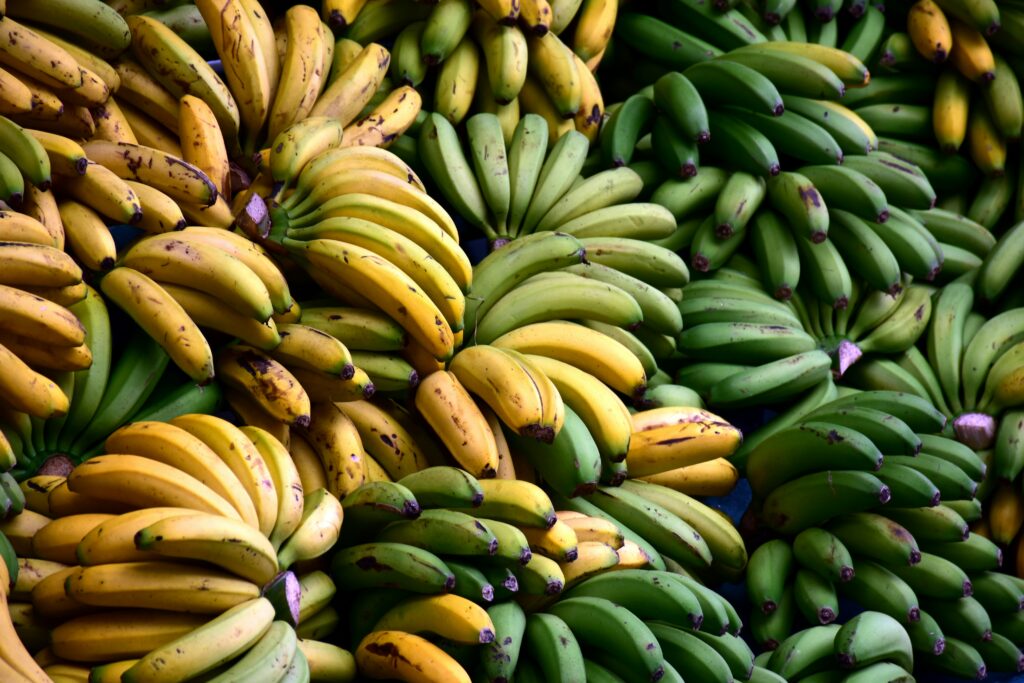
Ripening Bananas for Banana Bread vs. Fresh Eating
The best ripening method depends on how you plan to use the bananas.
For Banana Bread, Muffins, or Pancakes
For all baking endeavors, the more the outside is overlooked, the sweeter and softer is the fruit inside. The oven is particularly successful for this, not only does it soften the fruit remarkably quickly but it helps mash it perfectly for batter. Whether it completely blackens the peel the fruit insides usually remain smooth and sufficiently sweet for all baked items.
For Fresh Snacking
If you plan to eat the bananas as they are, natural ripening usually produces better flavor and texture.
Using a brown paper bag with another ripe fruit allows the banana to develop sweetness gradually while maintaining its creamy consistency.
Can You Ripen Bananas Overnight?
In certain circumstances, yes. If the bananas are nearly entirely yellow, just with a touch of green, and you stick them in a paper bag with an apple or ripe banana, you might see some change by morning. Green bananas don’t do it over night though; pushing a green banana too quickly may result in a mushy shell and a still quite firm inside.
Why Some Bananas Ripen Faster Than Others
Even bananas purchased from the same store can ripen at different speeds.
Several factors influence the process:
Harvest Stage
Bananas picked earlier naturally require more time to mature than fruit harvested closer to the ripening stage.
Storage Temperature
Moderately warm environments encourage ripening, while cool temperatures slow the production and action of ethylene gas.
Air Circulation
Proper airflow helps maintain healthy fruit while allowing ethylene gas to accumulate when stored in a paper bag.
Fruit Variety
Different banana varieties may ripen at slightly different rates, although the general process remains the same.
Signs Your Bananas Are Perfectly Ripe
Knowing when bananas have reached their ideal stage helps prevent waste.
Look for these signs:
- Bright yellow peel with a few brown speckles
- Sweet, pleasant aroma
- Slight softness when gently squeezed
- Creamy texture inside
- Rich, naturally sweet flavor
For baking, many people prefer bananas with larger brown patches because more of the starch has already converted into sugar, making them ideal for healthy baking ingredients.
What If Your Bananas Are Still Green?
Sometimes bananas remain stubbornly green even after several days.
Possible reasons include:
- They were harvested very early.
- The room is too cool.
- They are stored away from other fruit.
- They are refrigerated before ripening.
Moving them to a warmer room and placing them inside a paper bag with an apple usually improves results.
Patience is important because natural ripening cannot always be rushed beyond the fruit’s biological limits.
Can You Ripen Bananas in the Refrigerator?
This is one of the most common misunderstandings.
A refrigerator slows the ripening process rather than speeding it up.
Once bananas are fully ripe, refrigeration can help preserve the inside of the fruit for a few extra days. The peel may turn dark brown or black, but the flesh often remains perfectly edible.
Green bananas, however, should generally stay at room temperature until they reach the desired ripeness.
Should You Separate Bananas From the Bunch?
Does separating bananas make them ripen more quickly? Many people question this. For most fruits, leaving the bunch of bananas together provides the opportunity for the fruit to share in the ethylene gas that it naturally produces. Others try to cover the stems with plastic wrap in order to slow the ripening process once the bananas are ripe.
If your goal is how to ripen bananas fast, keeping them together inside a paper bag is usually more effective than separating them.
Expert Tips for Faster, Better Ripening
Even minor tweaks will affect speed and results. Select bananas that have just started to show yellow if you plan to use them soon. They naturally will take less time than the completely green fruits.
Keep an eye on your bananas as they ripen, too.
If you leave them there too long they may become mushy if you intended on eating them fresh. Use heat only when needed, it can take time when you have green bananas. For cooking or smoothies though, don’t throw out those mushy, brown-skinned bananas. Just make sure that they aren’t moldy and they don’t stink.
These are usually the best bananas to bake or put in your smoothies.
Best Practices for Ripening Bananas at Home
Getting consistently good results is usually a matter of following a few simple habits.
Store unripe bananas at room temperature rather than in the refrigerator.
Use a brown paper bag when you need to speed up the process naturally using ethylene gas ripening techniques.
Pair bananas with other ethylene-producing fruits like apples or pears for faster ripening.
Avoid exposing bananas to excessive sunlight or very high temperatures.
Use the oven only when you need ripe bananas immediately for cooking or baking.
Inspect the fruit daily so you can use it at its best stage instead of letting it become overripe.
These simple practices help you make the most of every bunch while reducing unnecessary food waste.
Troubleshooting Common Ripening Problems
Bananas Are Soft Outside but Firm Inside
This normally means that you have overheated your ripening mixture and ripened it too quickly. More uniform ripening often occurs with mild or natural ripeners.
Bananas Have Black Peels but Taste Fine
A dark peel indicates the fruit has rotten or has started to turn brown which means that its good to bake, for smoothies or even eaten. As long as it doesn’t smell of mold and it doesn’t look moldy then it is fine for usage.
Bananas Are Ripening Unevenly
Move or turn fruit around from time to time in the paper bag, if you have put more than one banana into the same bag. It evens out the exposure of each banana to the ethylene gas.
Bananas Developed Mold
If you notice mold, a fermented smell, or liquid leaking from the fruit, it is safest to discard the bananas rather than consume them.
Common Mistakes That Slow Banana Ripening
If you’re trying to learn how to ripen bananas fast, avoiding common mistakes can save time and prevent uneven results.
5: Storing them cold: Anyone who ever put a green banana into the back of the fridge only to see the peel turn brown but have a hard, green interior have been subject to this common mistake. Leave the bananas to ripen at room temperature. To help them ripen faster, don’t let them go solo: Keep them together Don’t separate them when they’re unripe.
This is because bananas release ethylene gas, a naturally produced compound that ripens fruit.
They will ripen faster in close quarters. Let them lay around in your kitchen loosely tied up in a bag to speed ripening. Don’t speed up the ripening process: Oven ripening or microwave softening can quicken the mushing of a banana for a recipe, but you should not be banking on getting the sweeter flavor and more pleasing texture of a naturally ripened banana with this trick. Keep them out of the heat Keep them in your kitchen, at room temperature.
Warmth can certainly help them ripen faster, but not too much warmth, and you want to keep track so that they ripen as soon as possible.
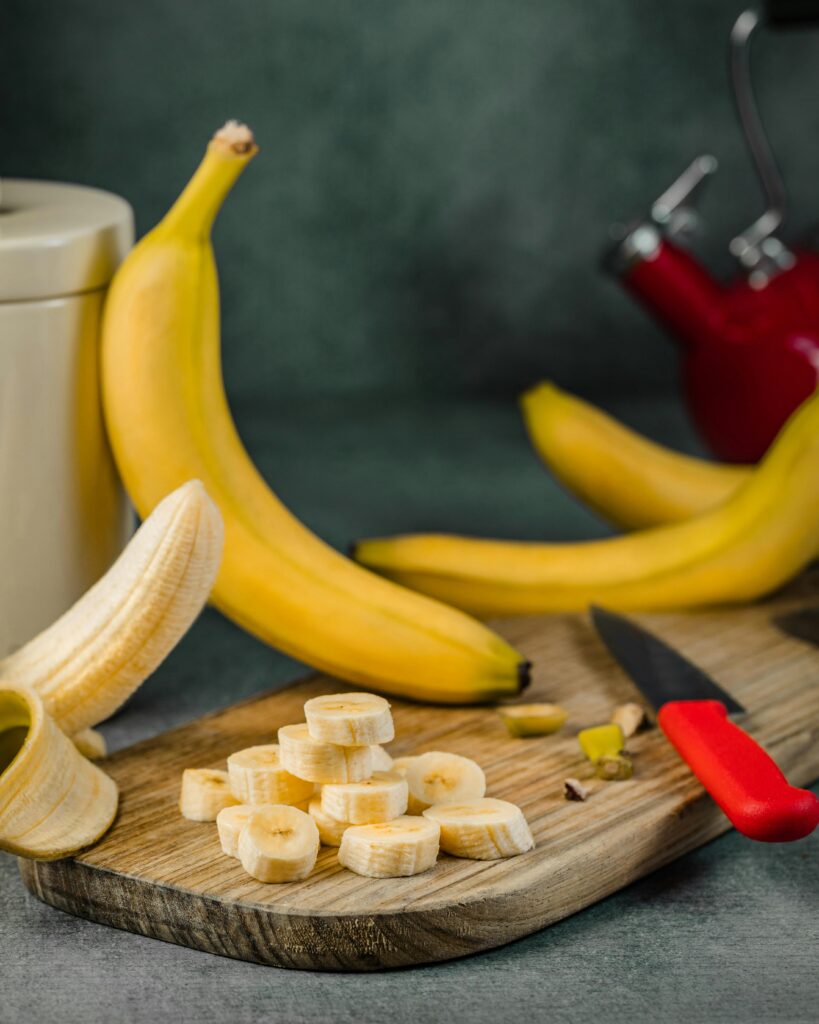
Expert Tips for Better Banana Ripening
Understanding how bananas ripen naturally can help you choose the right method for your needs.
- Buy bananas at different stages of ripeness if you use them regularly.
- Store green bananas at room temperature between 68°F and 77°F (20°C–25°C).
- Place bananas near ripe apples, pears, peaches, or avocados to naturally increase ethylene exposure.
- Use a paper bag instead of plastic bags, which trap excess moisture and may encourage mold.
- If bananas become perfectly ripe before you’re ready to eat them, refrigerate them. The peel may darken, but the fruit inside usually stays fresh for several more days.
- Peel and freeze overripe bananas for smoothies, banana bread, muffins, pancakes, or homemade ice cream.
These simple practices make it easier to manage banana ripeness without unnecessary waste.
Frequently Asked Questions
How can I ripen bananas in one day?
If you’re wondering how to ripen bananas fast within a day, place them in a paper bag with a ripe apple or ripe banana and leave the bag at room temperature. This usually speeds up ripening within 12 to 24 hours, depending on how green the bananas are.
- Does the Microwave Ripen Bananas?
Yes, but they must be for soft bananas. The microwaving causes the fruit to soften and become tender, rather than to ripen normally and sweeten and develop complex flavors.
Does putting bananas in the sun help them ripen?
Warm temperatures can slightly speed ripening, but direct sunlight may overheat the fruit and cause uneven softening. A warm indoor location away from direct sun is usually a better choice.
Why are my bananas still green after several days?
Your bananas might just be a little under ripe if the outside is very green. In some cool temperatures in the house ripening is slow and will continue over time. The trick with green bananas ripening up more quickly is to put one of them into a brown bag with another ripe piece of fruit.
Can I ripen bananas after they’ve been refrigerated?
If your bananas were put into the refrigerator when they were still green, then they may never ripen up for cold temperatures can stop them from turning yellow naturally. Don’t put the green bananas into the refrigerator and let them become yellow at the room temperature.
What fruits help bananas ripen faster?
Apples, pears, avocados, peaches, kiwis, and already-ripe bananas all release ethylene gas, making them excellent companions when you’re trying to learn how to ripen bananas fast naturally.
Are brown bananas still safe to eat?
Yes. As long as there is no mold or unpleasant odor, brown bananas are generally safe. In fact, they are often sweeter than yellow bananas and are ideal for baking.
Conclusion
Knowing how to ripen bananas fast allows you to enjoy perfectly ripe fruit whenever you need it, whether for fresh snacking, smoothies, or baking.The paper bag method provides the greatest combination of speed and natural fruit flavor by trapping ethylene gas and acting on the banana’s surface without being harmful to the fruit. The oven and microwave are also useful if bananas are required urgently for cooking, though these methods may not provide all of the natural sweetness produced through the ripening process. By becoming knowledgeable about the factors, such as temperature, airflow, and ethylene gas, that impact a fruit’s development, you will be less likely to encounter wasted food.